
A low-speed car crash or a minor rear-end fender bender is often dismissed as a purely cosmetic nuisance. When two vehicles bump in a parking lot or collide at a stoplight at under fifteen miles per hour, the lack of shattered glass or crumpled sheet metal leads many drivers to assume no real harm was done. However, the modern automobile is an intricate, highly sensitive network of crumple zones, electronic sensors, and synchronized mechanical systems. What appears to be a flawless exterior can easily mask severe, hidden damage beneath the plastic bumper covers. Ignoring these underlying shifts can quickly compromise your vehicle’s safety, shorten the lifespan of its mechanical parts, and quietly destroy its resale value.
Ensuring your vehicle is completely safe and mechanically sound after a minor collision requires a disciplined, multi-stage assessment strategy. Even at low speeds, the intense kinetic energy of a crash must go somewhere, and it often transfers directly through the bumper pads and into the vehicle’s structural frame rails. Failing to inspect your car thoroughly can lead to sudden mechanical breakdowns or a failed safety system down the road. This comprehensive guide delivers a detailed, phase-based blueprint to help you audit, repair, and protect your vehicle following a minor accident, giving you absolute confidence that your car is restored to perfect factory performance standards.
Securing the Scene and Orchestrating On-Site Kinetic Clearance

The moments immediately following a minor traffic accident are critical for protecting your physical safety and securing accurate documentation. Even if the impact felt minor, the rush of adrenaline can temporarily mask injuries, while the confusion of standing near active traffic lanes presents a serious hazard. Your very first step must be to move your vehicle safely out of the flow of traffic, engage your hazard flashers, and set up reflective safety flares. Once the immediate environment is secure, you can begin checking for hidden vehicle damage by looking beneath the engine bay to identify fresh fluid leaks, such as dripping engine coolant, transmission oil, or brake fluid, which often point to cracked radiator plastics or pinched lines.
While your vehicle might still appear drivable after a low-speed bump, attempting to fire up the engine and drive away with an unverified frame or compromised cooling system can cause severe, permanent damage to your powertrain. To clear the roadway safely and protect your vehicle from secondary mechanical damage, you must hand over the logistics to a certified accident recovery service team. Contacting a professional accident recovery service ensures your vehicle is carefully inspected on-scene, securely loaded, and transported using advanced equipment designed to prevent extra stress on a potentially misaligned chassis.
- Take detailed, close-up photos of all vehicle point-of-impact zones, matching paint transfers, and any fluid drops on the asphalt before moving the cars.
- Photograph the broader accident scene from multiple angles, capturing road signs, lane markings, and changing weather conditions to build an accurate log.
Relying on an inexperienced roadside operator to clear your vehicle can turn a simple repair into a massive logistical headache. To guarantee your vehicle is handled with the utmost care, ensure your roadside dispatch loops route directly through a licensed towing service provider that utilizes soft-strap flatbed transport vehicles. Sourcing a premier towing service instead of using outdated wheel-lift dollies prevents dangerous twisting forces from warping your car’s suspension geometry or ruining sensitive all-wheel-drive drivetrains. This professional transport choice shields your automotive investment from extra wear, ensuring your car arrives at the diagnostic facility in the same condition it left the accident scene.
Diagnosing Sub-Frame Damage and Overhauling Mechanical Subsystems
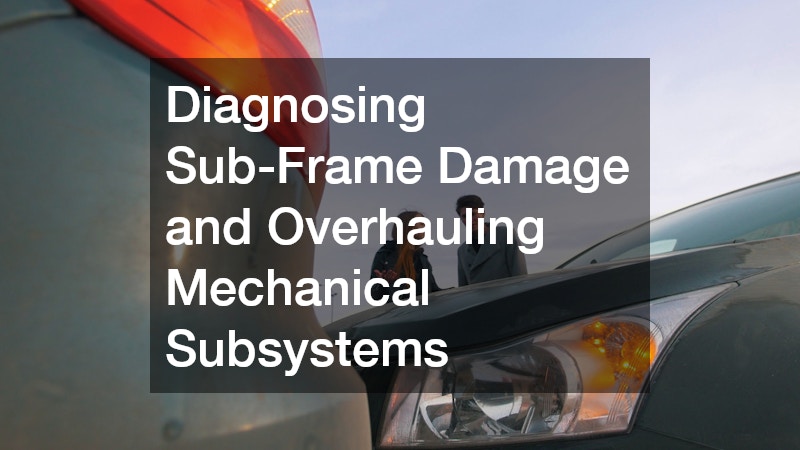
Once your vehicle has been safely transported to a secure, professional facility, your preparation checklist must immediately shift into an exhaustive diagnostic evaluation of the internal engine bay and lower chassis. Modern vehicle bumpers are engineered to flex and spring back into shape after low-speed impacts, meaning a perfectly smooth plastic bumper cover can easily hide severely crushed internal impact absorbers. Forcing a vehicle back onto the highway without checking the underlying structural connections can expose your family to unexpected system failures.
To uncover hidden mechanical stress behind the front grille, you must book a comprehensive post-accident diagnostic tracking appointment with a certified master mechanic. Having an experienced mechanic connect high-tier OBD-II scanning tools allows them to read and analyze hidden electronic sensor errors, ensuring vital safety features like your vehicle’s supplemental restraint systems (SRS) and pre-collision radar modules haven’t been knocked offline by the force of the crash. Your mechanic will also check for hairline cracks in the radiator tanks, test the structural integrity of your engine and transmission mounts, and verify that your serpentine belts have suffered zero stretching or alignment slips.
- Execute comprehensive computerized diagnostic scans across all internal modules to catch latent electrical shorts or failing sensor feeds.
- Inspect the structural engine mounts for microscopic rubber tearing or metal cracking caused by sudden kinetic stopping forces.
While having a master mechanic audit your engine bay handles your primary powertrain needs, evaluating the high-stakes tracking parameters of your lower suspension requires an equally rigorous inspection. Low-speed side-impact bumps can easily warp delicate aluminum control arms or knock sensitive steering racks completely out of calibration. To correct these hidden tracking faults, you must schedule a digital wheel alignment and multi-point safety sweep with an authorized auto repair service center. Working with an elite auto repair service group guarantees that your steering knuckles, wheel hubs, and suspension bushings are measured against factory specifications down to the millimeter, eliminating post-crash steering pull and ensuring your car tracks perfectly straight at highway speeds.
Restoring Structural Boundaries and Correcting Cosmetic Deficits
Beyond the internal mechanical and electrical systems, the physical outer shell and sacrificial impact zones of your vehicle require specialized structural attention. Modern automotive bodies are engineered around a highly strategic philosophy of progressive deformation, meaning specific outer panels are designed to crush and absorb impact forces to protect the passenger cabin. When a vehicle undergoes even a minor collision, these sacrificial elements do their job, meaning their structural strength is compromised, and they cannot provide full protection in a future accident until they are professionally restored.
To evaluate the true scale of underlying structural damage and replace compromised impact components, you must take your vehicle to a specialized car collision repair facility. A professional car collision repair center will strip away the outer cosmetic trim panels and utilize advanced computerized laser measuring systems to verify that your vehicle’s underlying frame rails match factory dimensions exactly. The technicians will remove and replace crushed foam energy absorbers, update bent steel bumper reinforcement bars, and realign structural core supports, returning your vehicle’s defensive envelope to its original factory configuration.
- Remove all damaged outer plastic fascia pieces to inspect the underlying high-strength steel impact bars for hidden structural buckling.
- Deploy specialized frame-alignment racks to gently pull minor sub-frame misalignments back into exact factory geometry.
Once your underlying structural impact barriers are fully restored, your focus can shift to erasing surface gouges, deep scratches, and structural composite sheet metal tears to prevent long-term rust. To restore your vehicle’s exterior finish flawlessly, you must partner with an elite auto body repair service provider. A top-tier auto body repair service center uses advanced paint-matching spectrometers and high-durability clear coats to completely blend fresh paint layers across adjacent doors and fenders. This specialized craftsmanship eliminates all visual evidence of the accident, uniforms your panel gaps, and seals your raw metal panels against exterior moisture, protecting your vehicle’s cosmetic appeal and preserving its long-term resale equity.
Instituting Preventive Maintenance Protocols and Maximizing Vehicle Lifespan
The structural shock of a minor car accident often leaves a lingering imprint on your vehicle’s mechanical parts that may not show up during the initial repair phase. Over the months following a low-speed impact, the subtle stresses placed on your drivetrain can cause wheel bearings to wear out prematurely, place extra strain on power steering pumps, and accelerate the breakdown of rubber suspension bushings. Homeowners and drivers must move away from a reactive, piecemeal repair mindset and implement a predictive maintenance plan to catch these secondary post-crash shifts before they become costly failures.
To protect your automotive asset over the long term and keep your vehicle operating safely, you must incorporate detailed alignment checks and undercar audits into your routine auto maintenance schedule. Adjusting your auto maintenance routines to include frequent tire rotation patterns, detailed strut inspections, and regular chassis greasing helps you catch uneven tire wear patterns or leaking shock absorbers early on. This consistent monitoring stops minor post-accident structural shifts from causing major component wear, helping you maintain peak fuel economy and extending the life of your vehicle for years to come.
- Check your tire tread depth patterns monthly using digital gauges to catch early alignment shifts before they ruin your tires.
- Inspect all primary rubber CV boots and steering rack bellows for micro-tears that could let road grime ruin internal mechanical joints.
While updating your routine, auto maintenance tracking helps catch early component wear. Keeping your advanced driver-assistance systems (ADAS) calibrated demands a long-term partnership with a specialized service center. Whenever body panels or bumpers are repaired, you must ensure your car repair facility runs exact digital recalibrations on your lane-departure warning cameras, blind-spot monitoring radars, and adaptive cruise control modules. Trusting an authorized car repair shop to execute these sensitive electronic system refreshes guarantees that your vehicle’s automated safety features read the surrounding road with absolute accuracy, protecting your family from unexpected system interventions or false alarms down the road.
Safeguarding Financial Capital and Navigating Legal Recovery Channels
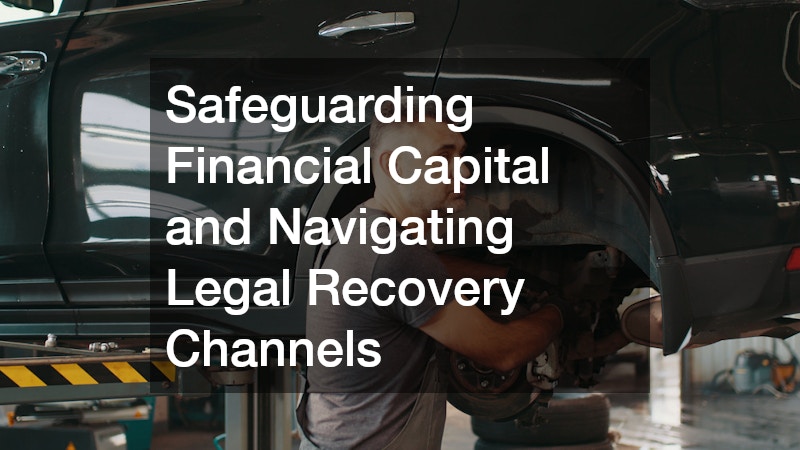
While restoring your vehicle’s mechanical systems and structural boundaries is vital, you must apply an identical level of strategic discipline to protecting your household financial capital and defending your legal interests. Insurance companies frequently exploit the minor, low-speed look of a fender bender to downplay the real structural damage beneath the bumper, routinely pushing for quick, undervalued settlements that leave the property owner with hidden repair bills. Failing to protect your legal position can leave you vulnerable to massive out-of-pocket costs and uncompensated asset losses.
To protect your financial investment and ensure you aren’t forced to accept cheap, non-OEM repair parts, you should hand over all insurance communications to an experienced car accident law firm. Retaining a dedicated car accident law firm provides your family with the professional representation needed to counter aggressive insurance adjusters and demand a full valuation of your property claim. Your legal team can also file a diminished value claim, which legally forces the insurance company to compensate you for the real-world market value your car loses simply by having an accident recorded on its vehicle history report, fully protecting your real estate on wheels.
- Have your legal team review all insurance communication logs to stop adjusters from using taped statements to downplay structural chassis damage.
- Demand a formal independent diminished value appraisal to calculate the exact loss in market value your vehicle suffers due to the accident record.
With your property damage claims and vehicle valuation fully protected by expert legal counsel, you must pay identical attention to protecting your family’s personal health and physical well-being. The low-speed nature of a minor fender bender can easily mask soft-tissue neck strain, microscopic spinal compressions, and minor concussions, as your body’s initial rush of adrenaline can hide these symptoms for days after the crash. To protect your physical health and secure the resources needed for long-term rehabilitation, you must consult with a dedicated injury attorney immediately.
Partnering with a trusted personal injury attorney guarantees that your medical evaluations, independent diagnostic records, and physical therapy needs are fully documented and tracked within a secure legal framework. Your injury attorney will protect you from signing early liability waivers before your physical symptoms have fully developed, ensuring you receive the comprehensive care and equitable financial recovery you need to move past the accident with absolute confidence and peace of mind.
Ultimate driving safety and value protection are achieved only when you step confidently into the role of an informed asset director who actively controls every physical, financial, and legal variable of their vehicle ecosystem. By taking definitive command of your post-accident timeline, from organizing immediate accident recovery service loops and master mechanic diagnostic scans to coordinating certified car collision repair, detailed auto body repair service updates, and proactive auto maintenance, you completely insulate your automotive investment from failure. Build a tight-knit, reliable network of certified structural repair technicians, elite trade contractors, specialized medical experts, and authorized car accident law firms who respect the unique technical realities of your vehicle. Command your vehicle with absolute mechanical confidence, listen to the digital feedback loops of your chassis, and advance your driving journey with the absolute assurance that your car will stand as a secure, thriving, and perfectly optimized asset for a lifetime.