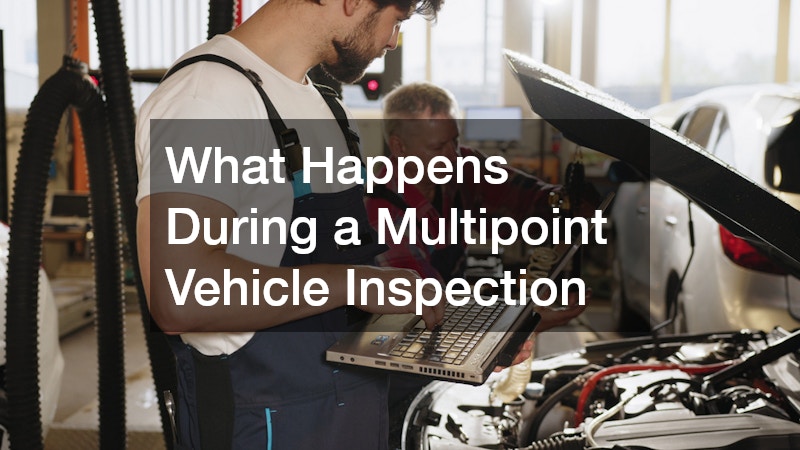
Every vehicle owner wants a safe, reliable car, but unexpected breakdowns happen. To prevent sudden failures, professionals recommend getting a multipoint vehicle inspection. This comprehensive evaluation serves as a routine health check for an automobile, providing owners with a detailed assessment of the current condition of their vehicle. By identifying minor issues before they escalate, a multipoint inspection can save drivers significant amounts of time and money. This is a proactive measure that is central to responsible vehicle ownership.
Rather than waiting for a catastrophic failure that requires extensive auto repair, consumers can rely on this review to maintain optimal performance. Understanding what mechanics look for during this diagnostic process helps drivers make informed decisions regarding their personal transportation.
Inspecting the Engine Compartment and Vital Fluids
The first major phase of a multipoint vehicle inspection focuses on the engine compartment. Mechanics begin by checking all essential fluid levels and conditions, including engine oil, transmission fluid, coolant, and brake fluid. Dirty or depleted fluids are leading causes of mechanical wear, and addressing them promptly is vital for engine longevity. Furthermore, technicians inspect the various belts and hoses for signs of cracking or blistering. A snapped serpentine belt can instantly leave a driver stranded. Additionally, the battery is tested to ensure it holds a proper electrical charge and the terminals are free from corrosive buildup. Catching a weakening battery early prevents the frustrating experience of a car that refuses to start. Identifying these under-the-hood issues frequently eliminates the need for emergency auto repair in the future.
Evaluating the Undercarriage and Suspension Components
Once the engine compartment is cleared, the vehicle is raised on a hydraulic lift so technicians can thoroughly examine the undercarriage. This perspective allows mechanics to assess structural integrity and look for hidden problems. The exhaust system is closely scrutinized for rust or physical damage that could allow dangerous carbon monoxide into the cabin. Simultaneously, the suspension and steering systems undergo rigorous evaluation. Technicians check the shock absorbers, struts, and ball joints for excessive wear or fluid leakage. Worn suspension components severely compromise a vehicle’s handling, making it dangerous to operate. Furthermore, the mechanic will inspect the engine and transmission from below to identify any slow oil leaks. Addressing undercarriage vulnerabilities promptly is an effective way to manage your auto repair budget responsibly.
Assessing Tire Health and Braking Systems
Tires and brakes represent the most critical safety systems on any vehicle, making their evaluation a paramount part of the inspection. Technicians meticulously measure the tread depth of each tire to ensure adequate traction for wet road conditions. They also look for uneven wear patterns, which indicate underlying alignment issues. Tire pressure is adjusted to the specifications of the manufacturer to optimize fuel efficiency. Concurrently, the braking system receives a comprehensive visual check. Mechanics examine the thickness of the brake pads and the condition of the brake rotors. If the friction material on the pads is dangerously low, immediate replacement is recommended. Neglecting these components not only endangers the occupants of the vehicle but often leads to much more expensive auto repair procedures down the line.
Checking the Interior and Exterior Safety Features
The final operational phase of a multipoint inspection shifts the focus to the interior cabin and exterior safety features. Mechanics verify that all exterior illumination is functioning correctly, including headlights, taillights, and turn signals. Proper lighting is legally required and essential for nighttime visibility. Inside the cabin, technicians check the functionality of the horn, windshield wipers, and the climate control system. The cabin air filter is often inspected, as a clogged filter drastically reduces air conditioning efficiency and allows allergens to circulate. Furthermore, mechanics check the dashboard for any active warning lights and ensure the seatbelts latch securely. Routine inspections of these essential daily systems ensure that every aspect of the vehicle is operating correctly before any auto repair is needed.
A multipoint vehicle inspection is an invaluable tool for any owner who wants to maximize the lifespan and safety of their automobile. By systematically evaluating the engine compartment, undercarriage, tires, brakes, and safety features, technicians provide a transparent overview of the health of the vehicle. This thorough process empowers consumers to make educated decisions about maintenance, prioritizing urgent fixes while budgeting for future needs. Ultimately, regular inspections shift the focus of vehicle ownership from reactive crisis management to proactive care. Investing time in this comprehensive diagnostic check provides unparalleled peace of mind. It ensures that drivers remain safe on the road and consumers avoid the heavy financial burden of catastrophic auto repair.