
Introduction
Keeping your vehicle in excellent condition requires more than occasional servicing. Consistent attention to maintenance, repairs, and protective upgrades helps extend the life of your car while improving safety and comfort on the road. Many drivers only think about maintenance when something goes wrong, but proactive care can prevent costly repairs and unexpected breakdowns.
Industry research consistently shows how important routine maintenance can be. According to automotive service studies, nearly 77% of vehicles require some form of maintenance or repair each year, yet many issues start as small, preventable problems. Another report from AAA indicates that over one-third of roadside breakdowns are caused by battery failure, tire damage, or engine-related issues—all of which can often be avoided with regular inspections and timely servicing. Preventive maintenance not only improves safety but can also reduce long-term repair costs significantly.
Smart vehicle upkeep involves a combination of routine inspections, timely repairs, and small improvements that protect both performance and appearance. From monitoring tires and brakes to maintaining the engine and interior features, every component of a car plays an important role in overall reliability. Paying attention to these details ensures your vehicle remains dependable and efficient for years.
Another key benefit of proper car care is preserving the vehicle’s resale value. A well-maintained car not only performs better but also holds its value much longer. Addressing minor issues early prevents them from developing into expensive problems later.
In this guide, we’ll explore practical strategies for keeping your vehicle in top condition. Each section focuses on a specific aspect of maintenance, including safety systems, cosmetic protection, mechanical reliability, and comfort upgrades. By applying these smart car care tips, drivers can enjoy a smoother, safer, and more enjoyable driving experience while protecting their investment.
Maintaining Your Vehicle’s Tires for Safety and Performance
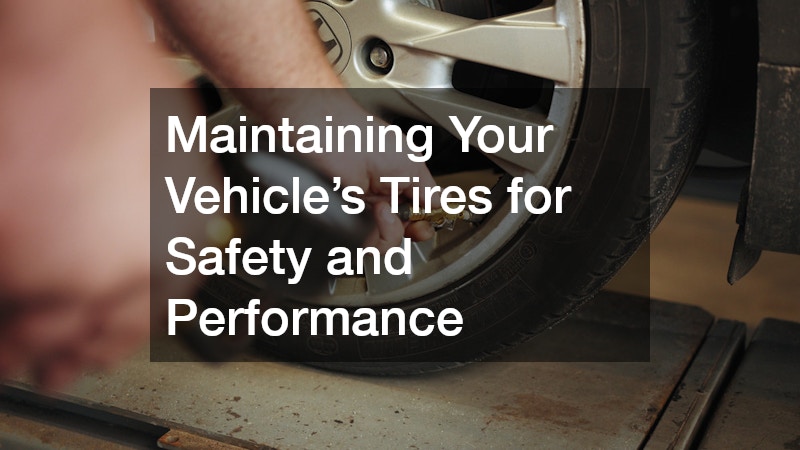
Tires play a vital role in vehicle safety and performance. They provide traction, absorb road impact, and help maintain control during acceleration and braking. Because they are constantly in contact with the road, tires naturally wear down over time and require regular monitoring.
Drivers should check tire pressure frequently since both underinflated and overinflated tires can affect fuel efficiency and handling. Uneven wear patterns may indicate alignment issues or improper inflation levels. In addition, road hazards like potholes or debris can weaken tire structure and lead to damage.
Routine inspections allow drivers to identify problems before they become serious safety concerns. When tread depth becomes too shallow or the tires show signs of cracking or bulging, it may be time to schedule professional tire changes to maintain safe driving conditions.
Proper tire care also improves driving comfort and helps extend the lifespan of other vehicle components. Balanced tires reduce strain on suspension systems and ensure smoother handling at higher speeds.
Practical Tire Maintenance Tips
- Check tire pressure regularly using a reliable gauge
- Rotate tires every 5,000 to 7,000 miles to ensure even wear
- Inspect tread depth to maintain adequate road grip
- Avoid sudden braking or aggressive driving that increases tire wear
- Schedule professional tire changes when tires reach the end of their lifespan
Fixing Exterior Damage Before It Gets Worse
Even small dents and scratches can affect the overall appearance of a vehicle. Minor damage often occurs from parking lot accidents, road debris, or small collisions. While these imperfections may seem cosmetic, they can gradually worsen if left untreated.
Small dents may weaken the protective paint layer, allowing moisture to reach the metal beneath. Over time, this exposure can lead to rust or corrosion that spreads across the vehicle’s body panels. Addressing these issues early helps prevent more extensive repairs later.
Maintaining a clean and protected exterior also contributes to long-term value retention. A well-maintained car reflects responsible ownership and makes a positive impression if the vehicle is sold in the future. Professional dent removal services can restore body panels without damaging the original paint finish.
Regular washing and waxing also protect the paint surface from environmental damage caused by sun exposure, road salt, and pollutants.
Exterior Protection Tips
- Wash your vehicle regularly to remove dirt and contaminants
- Apply protective wax coatings to shield the paint
- Park in shaded areas or covered garages when possible
- Repair dents quickly to prevent rust formation
- Consider professional dent removal for visible damage
Ensuring Reliable Power for Your Vehicle
A vehicle’s battery is responsible for powering the ignition system, lights, and electronic features. Without a properly functioning battery, even the most reliable vehicle cannot start. Over time, batteries gradually lose their ability to hold a charge.
Extreme temperatures, frequent short trips, and aging components can accelerate battery wear. Drivers may notice warning signs such as slow engine cranking, dim lights, or dashboard alerts indicating reduced battery performance.
Regular battery inspections can help identify potential issues early. Cleaning corrosion from battery terminals and checking electrical connections can improve performance and reliability. Eventually, however, every battery reaches the end of its service life and requires replacement.
Scheduling timely car battery replacements ensures your vehicle continues operating without unexpected starting problems.
Battery Maintenance Tips
- Inspect battery terminals for corrosion buildup
- Keep battery connections clean and secure
- Avoid leaving lights or accessories running when the engine is off
- Test battery health during routine maintenance checks
- Replace aging batteries with reliable car battery replacements
Protecting Your Vehicle With Reliable Braking Performance
A car’s braking system is one of its most important safety components. Brakes allow drivers to control speed and stop safely in traffic or emergency situations. Over time, brake pads and rotors naturally wear down from friction.
Ignoring brake maintenance can lead to reduced stopping power and potentially dangerous driving conditions. Drivers should watch for warning signs such as squeaking noises, vibration while braking, or increased stopping distance.
Routine inspections help ensure the braking system continues functioning effectively. Mechanics can examine pads, rotors, and brake fluid levels to detect problems early. Maintaining properly functioning brakes is essential for safe driving and accident prevention.
Brake Care Tips
- Listen for unusual sounds when applying the brakes
- Replace worn brake pads promptly
- Inspect brake fluid levels regularly
- Avoid sudden hard braking whenever possible
- Schedule professional brake inspections annually
Enhancing the Look of Your Vehicle With Visual Customization
Personalizing a vehicle’s appearance can make it stand out while also protecting its original paint finish. Decorative wraps and graphics are popular options for drivers who want to customize their vehicles without permanent modifications.
High-quality wraps can protect paint from scratches and environmental damage while adding unique visual appeal. Businesses often use vehicle wraps for advertising, but individuals may also choose designs that reflect their personal style.
A professionally installed car graphic can dramatically transform a vehicle’s appearance while maintaining durability against weather exposure. Proper care and cleaning help preserve the graphic’s color and quality over time.
Vehicle Graphic Care Tips
- Choose durable materials designed for outdoor conditions
- Work with experienced installers for best results
- Clean graphics gently to avoid damaging the surface
- Avoid abrasive cleaning tools
- Inspect graphics regularly for lifting edges or fading
Keeping Your Windshield Clear and Damage-Free
The windshield provides essential visibility and structural support for a vehicle. Cracks, chips, or scratches can interfere with a driver’s ability to see clearly and may compromise safety.
Small chips often occur when stones or debris strike the glass while driving. If these chips are repaired quickly, they may not spread into larger cracks. However, ignoring the damage allows temperature changes and road vibrations to worsen the problem.
In cases where damage spreads across the glass surface, drivers may need professional car windshield replacement to restore full visibility and safety.
Windshield Care Tips
-
Repair small chips before they expand into cracks
-
Replace worn windshield wipers regularly
-
Avoid sudden temperature changes on the glass
-
Keep the windshield clean for optimal visibility
-
Schedule car windshield replacement when cracks become severe
Preventing Major Mechanical Problems Through Engine Care
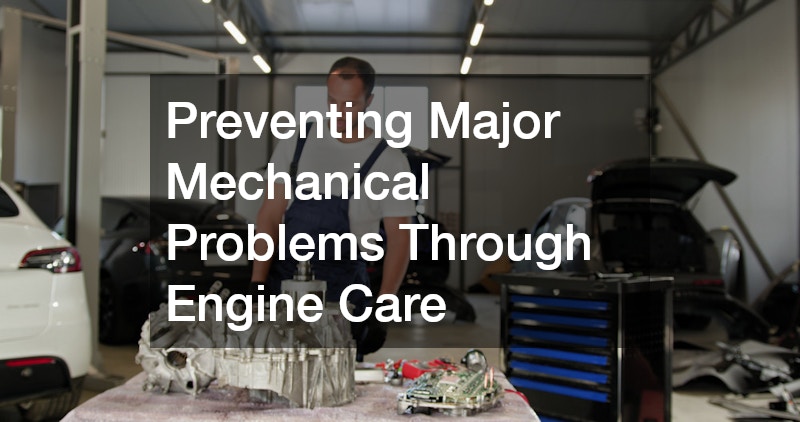
The engine is the heart of any vehicle. Proper maintenance ensures it continues operating efficiently while avoiding major breakdowns. Routine servicing helps detect early signs of wear before they develop into costly repairs.
Regular oil changes are essential because clean oil lubricates engine components and prevents overheating. Drivers should also monitor coolant levels and inspect belts and hoses for signs of damage.
If unusual noises, reduced power, or warning lights appear, professional inspection may be necessary. Addressing minor issues early can prevent extensive car engine repairs later.
Engine Maintenance Tips
- Follow manufacturer oil change schedules
- Monitor engine temperature during driving
- Replace air filters regularly
- Check fluid levels periodically
- Seek professional diagnosis when engine issues appear
Keeping Essential Maintenance Tools and Products Ready
Having the right maintenance products available makes it easier to keep your vehicle clean and protected. Many drivers overlook the importance of maintaining a small collection of essential cleaning and maintenance tools.
Proper cleaning products help preserve paint, upholstery, and interior surfaces. High-quality cleaning cloths, car wash solutions, and interior protectants help maintain a vehicle’s appearance.
Drivers often keep emergency kits that include basic car care supplies such as cleaning wipes, tire pressure gauges, and protective sprays.
Useful Maintenance Supplies
- Microfiber cloths for gentle cleaning
- Specialized car wash solutions
- Interior upholstery cleaners
- Tire and wheel cleaning products
- Emergency car care supplies for unexpected situations
Upgrading In-Car Entertainment and Technology

Modern vehicles often include advanced technology that improves the driving experience. Audio systems, navigation tools, and connectivity features make long drives more enjoyable.
Drivers who want better sound quality or additional features may consider upgrading their systems with improved speakers or digital interfaces. A carefully selected car audio accessory can enhance both convenience and entertainment.
Professional installation ensures that wiring and compatibility issues are handled correctly.
Audio Upgrade Tips
- Choose components compatible with your vehicle
- Install high-quality speakers for better sound clarity
- Secure wiring connections to prevent electrical issues
- Adjust audio settings for balanced sound distribution
- Consider a premium car audio accessory for enhanced performance
Improving Comfort and Protection With Window Treatments
Window tinting offers both practical and aesthetic benefits for vehicle owners. Tinted windows help reduce interior heat, block harmful UV rays, and provide additional privacy.
Quality tint films protect interior materials from fading and reduce glare while driving. Professional auto tinting installations ensure compliance with local regulations while achieving a clean appearance.
Window Tint Care Tips
- Choose tint levels that comply with legal limits
- Avoid rolling windows down immediately after installation
- Clean tinted windows using gentle products
- Park in shaded areas when possible
- Maintain professional auto tinting to ensure durability
Conclusion
Keeping a vehicle in top condition is not the result of one major repair but the outcome of consistent, thoughtful maintenance over time. Paying attention to tires, brakes, engine health, battery condition, and exterior protection helps drivers avoid unexpected breakdowns while maintaining both safety and performance. Small improvements—such as maintaining clear windshields, upgrading interior features, or protecting windows—can also make daily driving more comfortable and efficient.
Research consistently supports the value of preventive vehicle care. Organizations such as the AAA (American Automobile Association) report that vehicle owners who follow routine maintenance schedules significantly reduce the likelihood of roadside breakdowns. Similarly, guidance from the National Highway Traffic Safety Administration (NHTSA) emphasizes that regular inspections of tires, brakes, and safety systems play an important role in preventing accidents and improving road safety.
Drivers can take several simple actions to maintain their vehicles effectively:
Practical Steps to Maintain Your Car
- Schedule routine maintenance checks at recommended mileage intervals
- Monitor tire pressure and tread condition regularly
- Replace aging batteries before they fail unexpectedly
- Inspect braking systems to ensure reliable stopping power
- Repair windshield damage early to maintain visibility
- Keep essential car care supplies available for routine cleaning and maintenance
- Address mechanical warning signs promptly to avoid larger car engine repairs
Maintaining a vehicle does not require complicated procedures—only consistency and attention to detail. By following basic maintenance practices and staying proactive about repairs, drivers can extend the life of their vehicles, improve safety on the road, and protect the long-term value of their investment.