
Owning a vehicle comes with more than just the joy of driving; it comes with the responsibility of keeping your car in top condition. Car care is not merely about aesthetics—it directly impacts safety, performance, and the longevity of your vehicle. Whether you drive a daily commuter, a high-performance Mustang, or a classic car, understanding the basics of maintenance can save you thousands of dollars in repairs and prevent inconvenient breakdowns.
Routine car care helps avoid costly auto repair visits and minimizes the risk of unexpected issues on the road. From engine checks to brake inspections, being proactive about maintenance ensures your car continues to perform reliably. Even if you frequently visit car body shops or an auto repair company, knowing what to check yourself can make a huge difference. This article explores essential car care tips, practical advice, and insights that every vehicle owner should follow to keep their car safe, efficient, and enjoyable to drive. Proper care also helps when dealing with auto insurance claims or maintaining resale value, whether for a foreign car or a beloved classic vehicle.
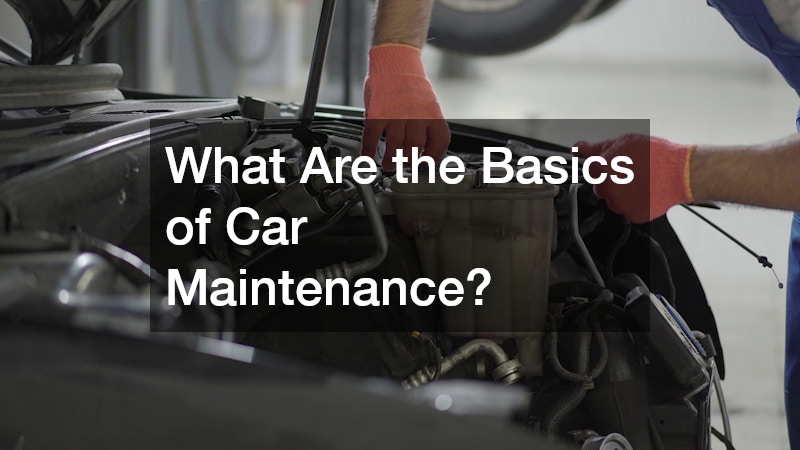
What Are the Basics of Car Maintenance?
Understanding the Importance of Regular Check-Ups
Regular vehicle maintenance is essential to prevent small issues from becoming major problems. Consistent check-ups with a reputable auto repair company can identify potential concerns early, whether they involve the engine, brakes, or suspension. By following a routine maintenance schedule, car owners can significantly extend the life of their vehicles and improve reliability on the road. Even classic car mechanics emphasize the importance of regular inspections to preserve the performance and appearance of older models.
A proactive approach to maintenance reduces the likelihood of expensive repairs, helps maintain warranty coverage, and enhances overall vehicle safety. Visiting car body shops for minor adjustments and preventive services is often cheaper than addressing a full-scale car repair after a breakdown. Moreover, understanding your vehicle’s maintenance needs builds confidence and makes interactions with auto insurance providers smoother if damage or repair claims arise. Regular maintenance is the cornerstone of effective car care, whether for everyday driving or high-performance vehicles like Mustangs.
Common Maintenance Tasks Every Car Owner Should Perform
Simple routine tasks can make a substantial difference in vehicle longevity. Oil changes, tire rotations, and brake inspections are fundamental aspects of car care that should never be overlooked. Engine performance, fuel efficiency, and safety all depend on keeping these basic systems in check. Even foreign car repair specialists recommend sticking to manufacturer-recommended schedules for these tasks to ensure optimal functioning.
In addition to these standard practices, monitoring lights, wipers, and belts is important. Small preventative measures like checking the headlights or ensuring the windshield washer fluid is full can prevent larger problems down the road. While auto repair shops provide specialized services like auto engine repair or brake replacements, understanding these basics empowers car owners to maintain their vehicles between professional visits and reduce the chances of emergency repairs.
How Often Should I Change My Oil?
The Role of Engine Oil in Vehicle Performance
Engine oil is the lifeblood of your car’s engine. It lubricates moving parts, reduces friction, and helps regulate temperature, preventing components from overheating. Clean oil also helps remove harmful deposits, ensuring smoother engine performance. Regular attention to oil levels and quality is crucial for maintaining your vehicle’s efficiency and preventing costly auto engine repair. Even performance-focused vehicles like a Mustang require carefully monitored oil schedules to preserve mustang performance.
A well-lubricated engine contributes to overall car care and enhances the reliability of your vehicle. Neglecting oil maintenance can lead to engine wear, decreased fuel efficiency, and eventually catastrophic engine failure, making the role of routine oil changes invaluable for both everyday vehicles and classic cars under the care of a classic car mechanic.
Factors That Influence Oil Change Frequency
Several factors affect how often you should change your vehicle’s oil. Driving habits, such as frequent short trips or stop-and-go traffic, can require more frequent oil changes. Older vehicles or those with high-performance engines, including Mustangs or foreign cars, may also need more regular attention. The type of oil—synthetic, conventional, or blended—plays a role as well, influencing both engine longevity and performance.
Being mindful of these factors ensures your car remains in optimal condition. Auto repair companies often provide guidance tailored to specific vehicles, including classic car maintenance and foreign car repair needs. Monitoring oil health as part of your broader car care routine can prevent unexpected engine issues and enhance overall performance, keeping your vehicle dependable for daily commutes or spirited drives.
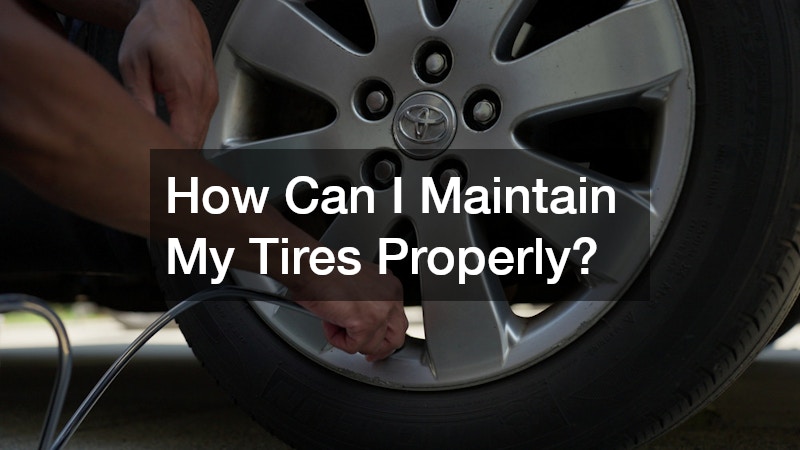
How Can I Maintain My Tires Properly?
The Importance of Tire Pressure
Maintaining proper tire pressure is critical for both safety and performance. Under-inflated or over-inflated tires can reduce fuel efficiency, impair handling, and accelerate wear. Regularly checking tire pressure and inflating them to the recommended levels is a basic yet essential aspect of car care. Reputable auto repair companies and car body shops can assist with tire inspections, ensuring your tires perform safely and efficiently.
Tire pressure also affects braking distances and overall vehicle stability. Paying attention to this detail protects both you and other road users while extending the lifespan of your tires. Whether driving a classic car or a modern Mustang, maintaining correct tire pressure is an integral part of preventive car care and routine auto repair.
When to Rotate and Replace Tires
Regular tire rotation promotes even tread wear, enhancing both performance and safety. Most vehicles benefit from tire rotation every 5,000 to 7,500 miles, although this can vary depending on the car and driving conditions. Replacing tires when tread depth becomes insufficient is equally crucial to maintain traction and prevent accidents.
Car owners should also consider alignment and balancing during tire maintenance. Many auto repair companies provide complete tire services, including rotation, replacement, and alignment checks. Observing these practices ensures your tires last longer, your brakes perform correctly, and your overall vehicle experience remains smooth, efficient, and safe.
What Should I Know About Checking Fluid Levels?
Main Fluids to Monitor in Your Vehicle
Proper fluid management is an essential part of car care. Key fluids include engine oil, coolant, brake fluid, transmission fluid, and power steering fluid. Each plays a vital role in keeping your vehicle running smoothly. Engine oil lubricates the engine, coolant prevents overheating, brake fluid ensures responsive braking, and transmission fluid helps with gear shifting. Keeping these fluids at optimal levels can prevent expensive auto engine repair and other costly car repairs.
Monitoring these fluids regularly also helps you detect early signs of leaks or deterioration. Whether you visit a trusted auto repair company for checks or do them yourself, understanding how fluids affect your car’s performance is critical. Even classic cars need attentive fluid management, as their older engines often require more frequent checks and maintenance from a classic car mechanic.
How to Perform a Fluid Level Check
Checking fluid levels is straightforward if done regularly. Begin by inspecting the dipstick for engine oil, looking for the correct level and consistency. Coolant reservoirs should be filled to marked levels, and brake fluid should remain clear without contaminants. Transmission fluid checks often require the engine to be running and at operating temperature, depending on the vehicle manufacturer’s instructions.
Regularly performing these checks allows you to catch potential problems early. Auto repair companies can provide guidance and perform professional inspections, especially for complex systems like transmissions or power steering. By staying on top of fluid levels, you protect your vehicle’s engine, brakes, and overall performance, forming an integral part of comprehensive car care.
How Do I Ensure My Brakes Are Functioning Correctly?

Symptoms of Brake Issues to Watch For
Your brakes are crucial for safety, and recognizing early signs of trouble is part of responsible car care. Common symptoms include squeaking or grinding noises, vibrations in the brake pedal, and a spongy feeling when pressing the brake. Ignoring these warnings can lead to more serious issues requiring full-scale auto brake repair, which can be costly.
Brakes also respond differently depending on driving conditions and vehicle type. High-performance vehicles like Mustangs or foreign cars often require specialized attention from skilled auto repair technicians. Watching for warning signs and addressing them promptly ensures safety on the road and maintains overall vehicle reliability.
Regular Brake Maintenance Practices
Routine brake maintenance is essential for safe driving. This includes checking brake pads, rotors, and fluid levels at regular intervals. Replacing worn components promptly prevents more extensive damage and ensures optimal stopping power. Many auto repair companies and car body shops offer specialized brake inspections to maintain vehicle safety and performance.
Consistent maintenance protects not only your safety but also your investment. Proper car care, including brake upkeep, reduces the need for major repairs and keeps your vehicle operating efficiently. Whether your car is a classic model maintained by a classic car mechanic or a modern performance car, brake maintenance is non-negotiable.
What Are the Signs of Battery Problems?
Identifying Battery Failure Symptoms
A failing battery can leave you stranded unexpectedly, making recognition of early warning signs vital. Symptoms include slow engine crank, dashboard warning lights, dimming headlights, or corrosion on battery terminals. Recognizing these signs allows for timely intervention and prevents inconvenient breakdowns.
Vehicles of all types, from foreign cars to classic cars, can experience battery issues. Even with routine car care, battery performance declines over time, making monitoring essential. Auto repair companies can test batteries and provide replacements to maintain vehicle reliability.
Battery Maintenance Tips
Regular maintenance extends battery life and ensures reliable performance. Cleaning terminals, tightening connections, and checking fluid levels in non-sealed batteries are practical steps. Additionally, avoiding long periods of inactivity and extreme temperature exposure helps prevent battery deterioration.
Proactive battery care reduces the risk of emergency auto repair and contributes to overall vehicle longevity. For car owners who value performance and reliability, integrating battery checks into routine car care ensures consistent operation, regardless of vehicle type or age.
How Do I Take Care of My Car’s Exterior?

Importance of Regular Washing and Waxing
A clean exterior not only enhances your vehicle’s appearance but also protects against rust, corrosion, and paint damage. Regular washing removes dirt, road salt, and debris that can harm the paint, while waxing provides a protective layer against environmental elements. Proper exterior maintenance is a key component of comprehensive car care.
Even minor neglect can result in long-term damage, which may require extensive work at car body shops or auto repair companies. Vehicles with high-performance finishes, like Mustang performance models, or classic cars maintained by a classic car mechanic, benefit especially from careful exterior care. Protecting your car’s exterior preserves its value and appearance over time.
Dealing with Scratches and Dents
Minor scratches and dents are common, but addressing them quickly prevents rust and further damage. Paint touch-ups, dent repair, or professional auto body work ensures your vehicle maintains both aesthetics and resale value. Car body shops specialize in restoring vehicles to their original condition, regardless of age or model.
Proactive attention to scratches and dents is part of good car care. Whether you are repairing a foreign car, a classic vehicle, or a Mustang, maintaining the exterior appearance enhances both enjoyment and long-term investment in your vehicle.
What Are Some Interior Maintenance Tips?
Keeping the Upholstery and Dashboard Clean
Interior cleanliness is crucial for comfort, health, and preserving vehicle value. Regular vacuuming, wiping down surfaces, and using appropriate cleaners for fabrics and leather keeps the interior in top condition. Maintaining a clean cabin is an essential part of overall car care.
Interior care also helps prevent long-term damage like fading, cracking, or mold growth. Whether your car requires routine auto repair for mechanical systems or just cosmetic upkeep, a clean interior complements all other aspects of vehicle maintenance.
Taking Care of the Electronics in Your Vehicle
Modern vehicles rely heavily on electronic systems, including navigation, climate control, and safety features. Regular checks, software updates, and addressing minor electronic issues promptly prevents expensive repairs. Ignoring electronics can lead to costly auto repair visits, especially for advanced vehicles or foreign car models.
Proper care of electronics enhances functionality, comfort, and safety. Integrating electronic checks into your routine car care ensures reliable operation and prevents inconvenient malfunctions during daily driving or long trips.
Maintaining your vehicle requires dedication, attention to detail, and a proactive approach. By following these essential car care tips, vehicle owners can prevent costly auto repair visits, maintain performance, and extend the lifespan of their vehicles. Routine maintenance, whether for brakes, engine oil, tires, or electronics, safeguards both your safety and your investment. Whether you rely on car body shops, classic car mechanics, or an auto repair company, understanding these practices empowers you to make informed decisions and maintain your vehicle at peak performance.
Incorporating car care into your regular routine ensures your vehicle remains reliable, safe, and enjoyable to drive. High-performance vehicles like Mustangs, foreign cars, and classic models all benefit from attentive maintenance. Proper care also supports smoother interactions with auto insurance, helping protect your financial investment. Ultimately, diligent vehicle care not only saves money and stress but also enhances the driving experience, ensuring your car remains a source of pride and dependable performance for years to come.