A car accident can throw your life off balance in seconds. Even when everyone walks away unharmed, the stress of dealing with damage, insurance, and repairs can feel like a full-time job. Many drivers focus on getting the car back quickly, but speed should never come at the expense of safety or quality. A rushed repair can leave hidden issues behind—misaligned steering, weakened structural points, or malfunctioning safety features that may not show up until weeks later. The goal after a collision isn’t just to make your vehicle look normal again; it’s to make sure it drives correctly, protects you properly, and holds its value as much as possible.
A smart plan and the right decisions early on make a major difference in the final outcome.
Assess the Damage Carefully and Document Everything
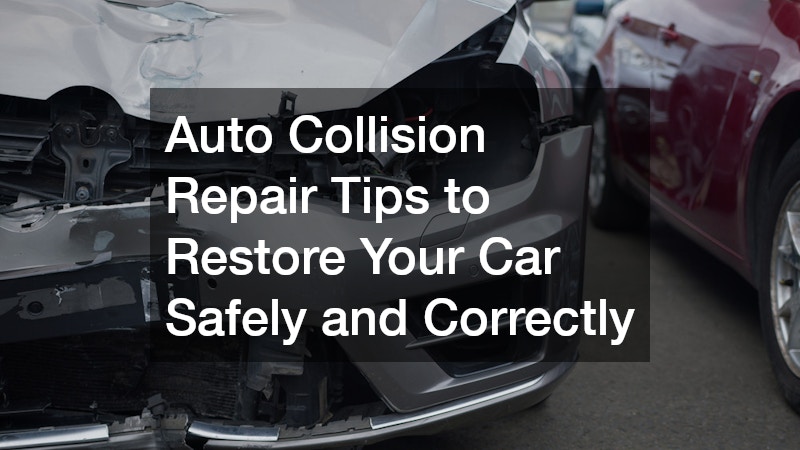
Start by assessing the damage as carefully as you can without putting yourself at risk. If the accident is recent and the car is in an unsafe position, move to a safe area and call for help if needed. Once it’s safe, take photos of the exterior from multiple angles: front, back, both sides, and close-ups of dents, cracked lights, damaged wheels, and any fluid leaks. Don’t forget the interior if airbags deployed, seat belts locked up, or you see dashboard warning lights. These details matter because collision damage is often more complicated than it looks.
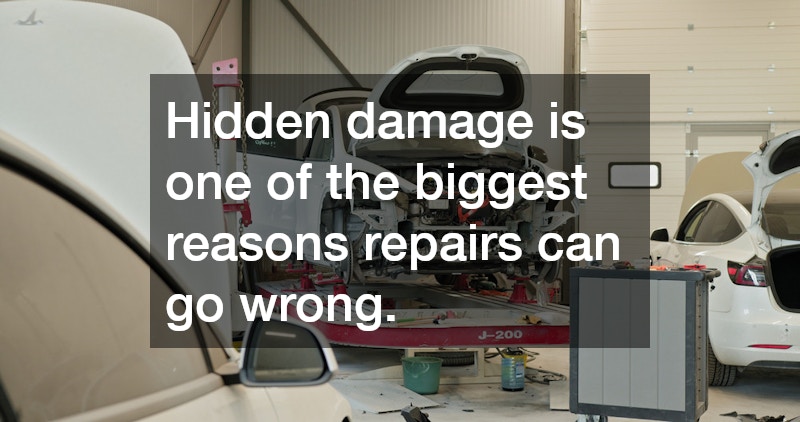
Hidden damage is one of the biggest reasons repairs can go wrong. A bumper cover might look like a simple replacement, but underneath it could be broken absorber foam, damaged brackets, crushed reinforcement bars, or shifted sensors. A hit to a wheel can lead to bent suspension components, alignment problems, or steering issues. Even a small collision can impact the radiator, condenser, or wiring harness. If you notice strange sounds, pulling while driving, a crooked steering wheel, or vibration, avoid driving the car until it’s inspected. Towing may feel inconvenient, but it can prevent further damage and protect you from a dangerous failure on the road.
Choose a Certified and Reputable Repair Shop
Choosing a repair shop is one of the most important decisions you’ll make after an accident. The quality of the work affects not only how the car looks, but how it performs and how well it protects you in another crash. Look for a facility with trained technicians, proper equipment, and a track record of customer satisfaction. Certifications can be a strong indicator that a shop invests in training and follows industry standards. A good shop will also be upfront about timelines, parts availability, and what your estimate covers.
Also, pay attention to communication. The best shops keep you informed, provide written estimates, and explain repair steps clearly. They should be willing to show you damaged parts if you ask and provide warranty information in writing. When it’s done correctly, auto collision repair restores the vehicle’s safety structure and technology—not just the paint and panels.
Use Quality Parts and Follow Manufacturer Guidelines
Parts choice matters more than most people realize. In many cases, original equipment manufacturer (OEM) parts are designed specifically for your vehicle’s fit, crash performance, and long-term durability. While aftermarket parts can be less expensive, the quality can vary. A slightly imperfect fit can lead to uneven gaps, wind noise, water leaks, or premature rust. In some situations, part differences can affect how your vehicle absorbs impact in a future collision.
It’s also smart to clarify what your estimate includes. Does it cover blending paint into adjacent panels for a seamless match? Does it include new clips, fasteners, and seals instead of reusing old ones? Are corrosion protection steps included after metalwork? These details help your repair last, especially in humid climates where rust can spread faster. When auto collision repair is done according to manufacturer standards, it protects both the appearance and the integrity of the vehicle.
Inspect the Repairs Before Final Approval
Before you accept the car back, inspect it carefully in good lighting. Check panel alignment and gaps around the hood, doors, trunk, and bumpers. Look at paint color consistency from different angles, since mismatches can be subtle indoors but obvious in daylight. Run your hand lightly along repaired areas to feel for roughness, overspray, or texture differences. Make sure headlights, brake lights, and turn signals work and look properly aligned.
Getting your car back after a collision should come with confidence, not lingering doubt. The safest results come from careful documentation, smart shop selection, high-quality parts, and strict adherence to manufacturer procedures. Finishing with a thorough inspection helps ensure nothing was missed and that the vehicle drives the way it should. When you take these steps, you protect your safety, preserve your car’s value, and avoid repeat repairs that cost more in the long run. Done right, auto collision repair is about restoring your vehicle’s structure, performance, and protection—not just its appearance.