Introduction
Keeping your vehicle in peak condition requires more than occasional oil changes and tire rotations. Today’s vehicles—whether daily drivers, luxury models, or heavy-duty trucks—depend on a combination of specialized services to remain safe, efficient, and visually appealing. From structural repairs to performance upgrades and protective treatments, every aspect of maintenance plays a role in extending the life of your vehicle.
This comprehensive guide explores the most important automotive services available today. By understanding how each service contributes to performance and longevity, you can make informed decisions, avoid costly repairs, and ensure your vehicle continues to meet your needs for years to come.
Start with a Complete Vehicle Condition Assessment
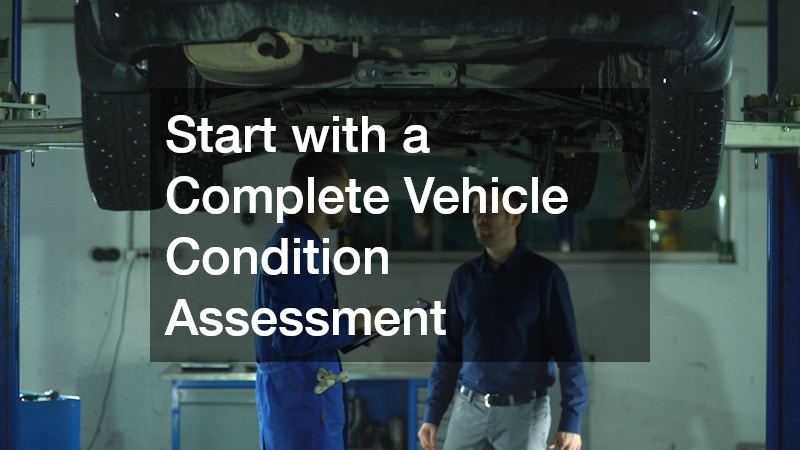
Before investing in repairs or upgrades, it’s essential to evaluate your vehicle’s current condition. A thorough inspection provides a clear picture of what needs immediate attention and what can be planned for later.
A complete assessment should include:
- Engine performance and fluid levels
- Brake condition and responsiveness
- Suspension and steering components
- Electrical systems and battery health
- Exterior condition, including paint and body integrity
By identifying issues early, you can prevent minor problems from escalating into major repairs. Creating a maintenance plan based on your findings helps prioritize tasks and manage costs effectively.
Routine inspections also improve safety. Detecting worn components or hidden damage ensures your vehicle remains reliable under all driving conditions. Whether performed by a professional or as part of regular maintenance, inspections are the foundation of responsible vehicle ownership.
Restore Structural Integrity and Appearance After Damage
When a vehicle sustains damage from collisions, weather, or everyday wear, restoring both structure and appearance is essential. A professional car body shop specializes in repairing dents, scratches, and more significant structural issues.
These services go beyond cosmetic fixes. Technicians assess underlying damage that may affect alignment, safety systems, or overall performance. Modern repair techniques use advanced tools to reshape panels and restore the vehicle’s original form.
Key benefits of professional repair include:
- Accurate color matching for seamless paint blending
- Removal of rust and corrosion to prevent further damage
- Restoration of structural integrity after accidents
- Improved resale value through professional finishing
Addressing damage promptly prevents it from worsening over time. Even small dents or scratches can expose metal surfaces to moisture, leading to corrosion. Investing in quality repairs ensures your vehicle remains both safe and visually appealing.
Protect Your Vehicle’s Exterior for Long-Term Durability
Maintaining your vehicle’s exterior isn’t just about appearance—it’s about protection. Car ceramic coating services provide a durable layer that shields paint from environmental damage.
This advanced coating forms a protective barrier against UV rays, dirt, road debris, and chemical contaminants. Unlike traditional wax, ceramic coatings offer long-lasting protection and require less frequent reapplication.
Advantages of protective coatings include:
- Enhanced resistance to scratches and swirl marks
- Easier cleaning due to hydrophobic properties
- Improved gloss and shine
- Protection against fading and oxidation
The application process involves thorough cleaning, paint correction, and precise coating techniques. Proper preparation ensures the coating bonds effectively with the surface.
Maintaining the coating is simple but important. Regular washing with appropriate products helps preserve its effectiveness and appearance. Over time, this protective layer reduces the need for frequent detailing and repainting.
Maintain Precision Performance with Specialized Expertise

Luxury and high-performance vehicles often require specialized care. Lexus auto repair specialists are trained to handle the unique systems and components found in these vehicles.
Working with experts ensures that maintenance and repairs meet manufacturer standards. This includes using specialized diagnostic tools and genuine parts designed for optimal performance.
Important considerations for specialized maintenance include:
- Adhering to manufacturer-recommended service intervals
- Using high-quality fluids and replacement parts
- Addressing minor issues before they impact performance
- Maintaining advanced systems such as hybrid components or electronics
Regular servicing helps preserve the driving experience that luxury vehicles are known for. It also protects your investment by maintaining reliability and resale value.
Ensure Safe Stopping Power and Driving Confidence
Your vehicle’s braking system is one of its most critical safety components. Auto brake repair ensures that all parts function properly, allowing you to stop effectively in any situation.
Common signs of brake issues include:
- Squeaking or grinding noises
- Vibrations when braking
- Reduced responsiveness
- Warning lights on the dashboard
Routine inspections help identify worn brake pads, damaged rotors, or fluid issues. Addressing these problems early prevents more extensive damage and reduces repair costs.
Safe driving habits also play a role in extending brake life. Avoiding sudden stops and maintaining a safe following distance can reduce wear on braking components.
Regular maintenance ensures consistent performance, giving you confidence every time you get behind the wheel.
In addition to basic inspections, it’s important to understand how each component of the braking system contributes to overall performance. Brake pads, rotors, calipers, and brake fluid all work together to create the friction needed to slow and stop your vehicle. If even one component fails, it can compromise the entire system.
Environmental factors can also impact braking performance. Driving in areas with frequent stop-and-go traffic, steep hills, or wet and icy conditions can accelerate wear. In these cases, more frequent inspections and maintenance may be necessary to ensure optimal performance.
Drivers should also pay attention to subtle changes in braking behavior. For example, if the brake pedal feels soft or requires more pressure than usual, it may indicate air in the brake lines or fluid issues. Addressing these concerns promptly can prevent more serious safety risks.
Preventive maintenance steps include:
- Checking brake fluid levels and replacing fluid as recommended
- Inspecting brake lines for leaks or corrosion
- Ensuring even wear on brake pads and rotors
- Listening for unusual sounds during braking
By staying proactive and attentive to your vehicle’s braking system, you can ensure reliable stopping power, improve safety, and reduce the likelihood of unexpected repairs.
Improve Engine Efficiency and Reduce Emissions
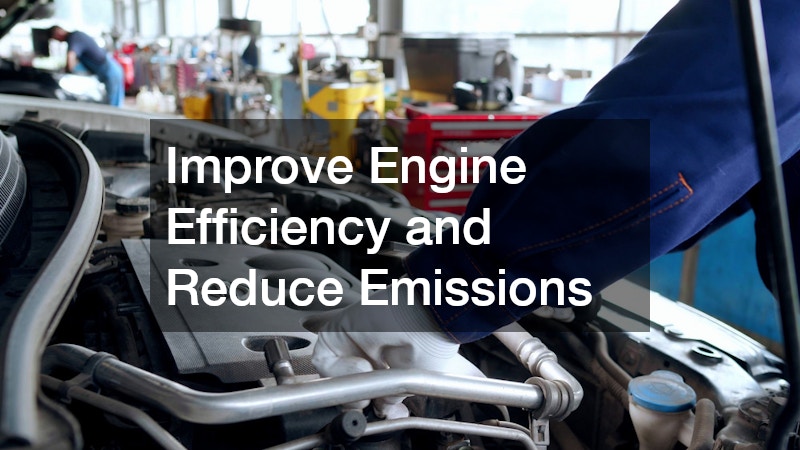
The exhaust system plays a vital role in your vehicle’s performance and environmental impact. Car exhaust repair addresses issues that can affect efficiency and safety.
A properly functioning system helps regulate emissions, reduce noise, and maintain engine performance. Damage or leaks can lead to reduced fuel efficiency and increased emissions.
Signs of exhaust problems include:
- Loud or unusual noises
- Decreased fuel economy
- Strong odors from the exhaust
- Visible rust or damage
Timely repairs ensure your vehicle operates efficiently and meets environmental standards. Replacing damaged components also prevents further issues that could affect engine performance.
Regular inspections help identify potential problems before they escalate, keeping your vehicle running smoothly.
Beyond basic repairs, understanding the components of your exhaust system can help you better maintain it. The system includes the exhaust manifold, catalytic converter, muffler, and various pipes that direct gases safely away from the engine and cabin. Each component plays a role in reducing harmful emissions and maintaining optimal airflow.
A failing catalytic converter, for example, can significantly increase emissions and reduce engine efficiency. Similarly, a damaged muffler may not only create excessive noise but also indicate deeper issues within the system.
Routine maintenance practices include:
- Inspecting the exhaust system for rust, holes, or loose connections
- Ensuring mounting brackets and hangers are secure
- Monitoring engine performance for signs of restricted airflow
- Scheduling emissions testing where required
Driving habits also influence exhaust system longevity. Frequent short trips that don’t allow the engine to reach full operating temperature can lead to moisture buildup and corrosion. Taking occasional longer drives can help reduce this risk.
Maintaining a healthy exhaust system not only improves fuel efficiency but also contributes to a cleaner environment and a smoother driving experience.
Keep Heavy-Duty Vehicles Operating at Peak Performance
Diesel-powered vehicles require specialized care to maintain their performance and durability. Diesel truck repair focuses on the unique needs of these engines, which are built for heavy workloads and long-distance travel.
Key maintenance tasks include:
- Monitoring fuel system performance
- Maintaining turbochargers and cooling systems
- Checking for leaks and wear in engine components
- Performing regular oil and filter changes
Diesel engines are known for their longevity, but they depend on proper maintenance to achieve their full lifespan. Ignoring routine service can lead to reduced efficiency and costly repairs.
Professional technicians use advanced diagnostics to identify issues quickly and accurately. This ensures minimal downtime and reliable performance for work or personal use.
In addition to routine maintenance, diesel engines require attention to specific components that differ from gasoline engines. Fuel injectors, glow plugs, and high-pressure fuel systems must be maintained to ensure efficient combustion and reliable starts, especially in colder climates.
Load and usage patterns also play a significant role in diesel engine health. Vehicles used for towing, hauling, or commercial purposes experience greater strain and may require more frequent servicing. Monitoring engine performance under these conditions helps prevent unexpected breakdowns.
Important maintenance considerations include:
- Using high-quality diesel fuel and additives when necessary
- Regularly draining water separators to prevent contamination
- Inspecting belts, hoses, and seals for wear
- Keeping air filters clean to maintain proper airflow
Cooling systems are particularly important for diesel engines due to the heat generated during operation. Ensuring proper coolant levels and inspecting radiators and hoses can prevent overheating and engine damage.
By investing in consistent maintenance and addressing issues early, diesel vehicle owners can maximize performance, reliability, and long-term value.
Upgrade Functionality and Style with Smart Additions
Enhancing your vehicle with truck accessories can improve both functionality and appearance. From practical upgrades to aesthetic enhancements, these additions allow you to customize your vehicle to meet your needs.
Popular upgrades include:
- Bed liners and covers for protection and storage
- Lighting systems for improved visibility
- Performance enhancements for towing or hauling
- Interior upgrades for comfort and convenience
Choosing the right accessories involves considering compatibility, durability, and intended use. High-quality products provide long-term benefits and integrate seamlessly with your vehicle.
Proper installation is essential to ensure safety and performance. Working with professionals helps avoid issues and ensures your upgrades function as intended.
Beyond basic upgrades, accessories can be tailored to specific lifestyles or industries. For example, contractors may benefit from tool storage systems and ladder racks, while outdoor enthusiasts may prioritize roof racks, off-road lighting, and protective skid plates.
Technology upgrades are also becoming increasingly popular. Features such as backup cameras, advanced navigation systems, and mobile device integration enhance both safety and convenience.
When selecting accessories, consider the following:
- Weight capacity and impact on fuel efficiency
- Compatibility with existing systems and warranties
- Ease of maintenance and cleaning
- Long-term durability in various weather conditions
It’s also important to balance aesthetics with practicality. While visual upgrades can enhance the appearance of your vehicle, functional improvements often provide the greatest long-term value.
By carefully selecting and maintaining accessories, you can create a customized vehicle that meets your needs while enhancing performance, comfort, and style.
Extend Service to Smaller Utility Vehicles and Equipment
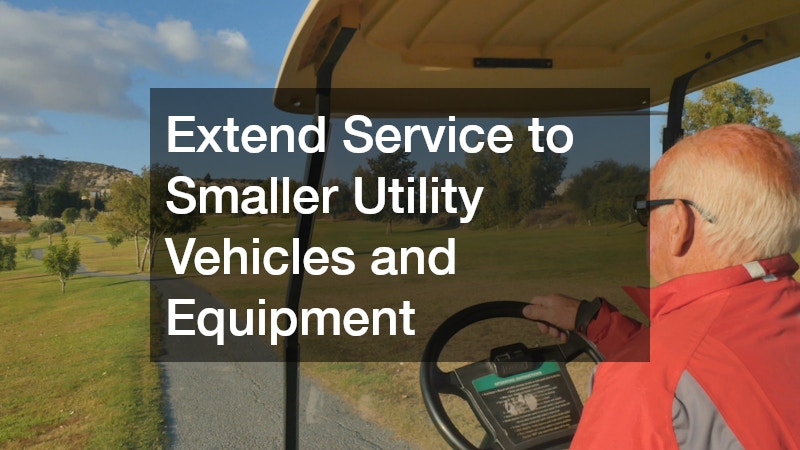
In addition to standard vehicles, many homeowners and businesses rely on smaller utility vehicles. Golf cart services help maintain these vehicles for recreational or practical use.
Routine maintenance includes:
- Battery care and replacement
- Tire inspections and alignment
- Brake system checks
- Electrical system maintenance
Keeping these vehicles in good condition ensures safety and reliability. Regular servicing prevents breakdowns and extends the lifespan of components.
Whether used for leisure or work, maintaining smaller vehicles contributes to overall efficiency and convenience.
Golf carts and similar utility vehicles often operate in environments that can accelerate wear, such as golf courses, residential communities, or industrial sites. Exposure to uneven terrain, moisture, and frequent use requires consistent upkeep.
Battery maintenance is especially critical for electric models. Proper charging practices, cleaning terminals, and monitoring battery health can significantly extend lifespan and performance.
Additional maintenance tips include:
- Checking suspension components for stability and comfort
- Inspecting steering systems for responsiveness
- Ensuring proper tire pressure for optimal performance
- Keeping electrical connections clean and secure
Seasonal storage also plays a role in maintaining these vehicles. Properly preparing them for periods of inactivity—such as winter months—can prevent damage and ensure they are ready for use when needed.
By prioritizing regular maintenance, owners can ensure their utility vehicles remain dependable and efficient for years to come.
Maintain Clear Communication Systems for Work and Travel
Reliable communication is essential for many drivers, especially those managing fleets or working in remote areas. Two way radio repair ensures that communication devices remain functional and dependable.
Common issues include:
- Signal interference or loss
- Battery problems
- Damaged antennas or components
- Software or programming errors
Regular testing and maintenance help identify and resolve these issues quickly. Ensuring reliable communication improves safety and efficiency in various situations.
Professional repair services can diagnose and fix problems, restoring full functionality and extending the life of your equipment.
Communication systems are especially important in industries such as construction, transportation, and emergency services. Reliable radios allow teams to coordinate effectively, respond to changing conditions, and maintain safety standards.
Routine maintenance should include:
- Testing signal strength and clarity in different environments
- Updating software or firmware as needed
- Inspecting connections and wiring for wear or damage
- Ensuring backup power sources are available
Environmental factors such as weather, terrain, and interference from other devices can impact performance. Regular testing helps identify and mitigate these challenges.
Investing in high-quality equipment and maintaining it properly ensures consistent communication, reduces downtime, and supports efficient operations in any setting.
Dispose of Old Vehicles Responsibly and Efficiently
When a vehicle reaches the end of its lifespan, proper disposal is important. A junk car recycling service provides an environmentally responsible way to handle old or damaged vehicles.
Recycling involves:
- Removing hazardous materials safely
- Salvaging usable parts
- Recycling metal and other materials
- Reducing environmental impact
Preparing your vehicle for recycling may include removing personal belongings and completing necessary paperwork. Working with a reputable service ensures a smooth and efficient process.
Recycling not only benefits the environment but can also provide financial returns through the value of salvageable materials.
Coordinate Multiple Services for Cost-Effective Vehicle Care
Managing various automotive services can be challenging, but coordinating them effectively leads to better results. Combining visits to a car body shop with auto brake repair, for example, can reduce downtime and streamline maintenance.
Strategies for coordination include:
- Scheduling multiple services during a single visit
- Keeping detailed maintenance records
- Planning upgrades alongside necessary repairs
- Communicating clearly with service providers
This approach saves time, reduces costs, and ensures all aspects of your vehicle are addressed. A well-organized maintenance plan helps keep your vehicle in optimal condition year-round.
Conclusion
Maintaining a vehicle involves a combination of preventative care, timely repairs, and strategic upgrades. By understanding the range of services available and how they contribute to performance and safety, you can take a proactive approach to vehicle care.
From protecting your vehicle’s exterior to ensuring reliable performance and responsibly handling end-of-life disposal, each step plays a role in maximizing value and longevity. With consistent maintenance and the support of skilled professionals, you can keep your vehicle running smoothly and efficiently for years to come.