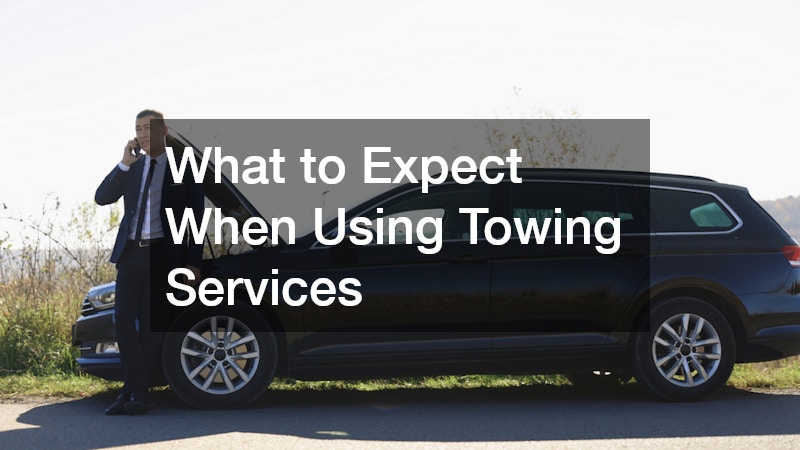
Vehicle trouble can occur without warning. Professional towing services provide safe transport for your vehicle in such situations. Understanding towing services can help you respond quickly and minimize stress.
Knowing what to expect can also protect your vehicle and manage costs.
From contacting a towing company to vehicle drop-off, several steps are involved. Towing professionals follow procedures to ensure safety and vehicle protection. The type of tow truck, distance, and vehicle condition can influence the process. Being familiar with these details can boost your confidence.
How Do Towing Services Work?
Initial Contact & Request
The process begins with a call or online request to a towing company. Key details such as location, vehicle type, and the problem are vital for dispatching the right equipment. Companies may also ask for the delivery location, like a repair shop or home.
Types of Towing Trucks
Different situations require specific tow trucks. Flatbed trucks carry the whole vehicle, while wheel-lift trucks elevate part of it. Heavy-duty trucks handle larger vehicles. The towing company decides on the equipment based on your vehicle and situation.
Cost Estimation and Payment
Towing companies usually provide a cost estimate, including a hookup fee and a per-mile rate. Payments can be made in cash, credit, or digitally. Confirming pricing ahead prevents misunderstandings.
Safety and Precautions
Professional operators secure vehicles safely using straps, chains, and wheel locks. They follow safety procedures when loading vehicles, ensuring protection for both your vehicle and other motorists.
What to Do After Towing
Once at its destination, the vehicle is carefully unloaded. If taken to a repair shop, coordinate further service. Keep receipts and documents for insurance or reimbursement. Check your vehicle’s condition upon delivery.
How Much Does Towing Cost?
Factors Affecting Cost
Costs are influenced by distance, vehicle size and weight, and time or emergency conditions. These variables can affect pricing significantly.
Average Price Ranges
Most services charge a base fee plus a per-mile rate. Short distances cost less, while long travels increase the overall price. Some companies also offer discounts or promotions for frequent users, which can further alter the costs.
Insurance and Coverage
Some insurance policies include towing coverage. Memberships from roadside assistance can also cover fees. Checking your coverage can save on expenses.
Extra Services Fees
Additional services, like winching, after-hours service, or specialized transport, may cost more. Inquire about extra fees to avoid surprises.
Tips to Minimize Costs
Tips include contacting local companies to reduce mileage charges and checking insurance coverage beforehand. Requesting an estimate before service helps too.
What Types of Towing Services Are Available?
Emergency Towing
Available 24/7 for breakdowns or accidents, providing quick response times to remove vehicles safely.
Long Distance Towing
For transporting vehicles over long distances, flatbed trucks are often used for protection during travel.
Specialized Vehicle Towing
Handled by specialized companies for vehicles needing extra care, like luxury or electric cars.
Flatbed Towing
This safe, common method transports vehicles on a flat platform, avoiding drivetrain damage.
Motorcycle Towing
Uses special equipment to secure motorcycles, preventing scratches or tipping during transport.
What to Look for in a Towing Service?
Licensing and Insurance
Ensure the company is licensed and insured to meet safety standards and protect your vehicle.
Response Time
Reliable companies provide estimated arrival times, reducing stress and waiting.
Reputation and Reviews
Customer reviews offer insights into the reliability and professionalism of towing services.
Availability and Service Areas
Check if the company operates 24/7 and covers the necessary geographic areas.
Customer Service
Good customer service aids a smooth process with clear communication and friendly dispatchers.
How Can You Prepare for a Towing Service?
Gathering Necessary Information
Have details ready about your vehicle and location to expedite the towing process.
Ensuring Vehicle Accessibility
Make sure the vehicle is accessible for timely service.
Personal Items and Valuables
Remove personal items from the vehicle to prevent loss.
Knowing Your Rights
Understand your rights regarding pricing, procedures, and have documentation for services.
Communication with Tow Operator
Communicate clearly with the operator for a smooth process.
Understanding towing services aids in handling vehicle troubles confidently. Each step ensures safety and proper handling. Awareness of costs, options, and preparations makes the process predictable and manageable. With reliable providers, ensure safe, efficient transportation when issues arise.