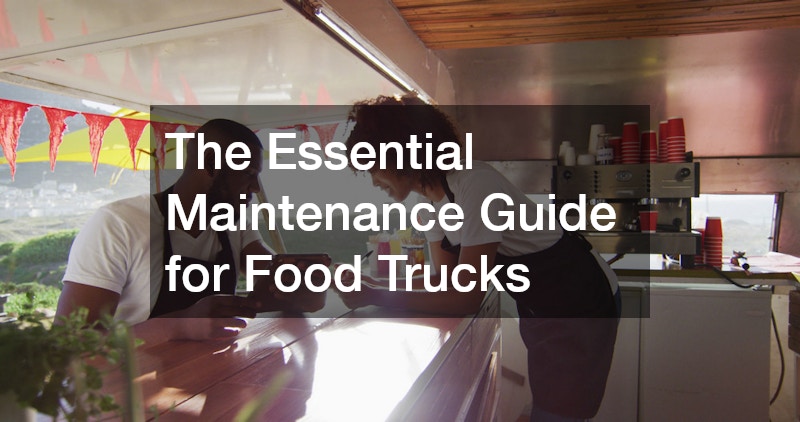
Operating a food truck can be an exciting and profitable venture, but it requires careful planning and consistent maintenance to ensure long-term success. Unlike a traditional brick-and-mortar restaurant, a food truck is constantly exposed to road conditions, weather, and heavy daily use, making regular upkeep crucial. Many food truck owners focus heavily on their menu and branding while overlooking the operational and mechanical aspects that keep the vehicle running smoothly. Without proper maintenance, even minor issues can lead to costly repairs, downtime, and potential safety risks for both staff and customers. Maintaining a food truck involves balancing general vehicle care with specialized food service needs. From engine inspections to safety checks and seasonal preparation, every element contributes to a smooth and efficient operation. Understanding what areas to prioritize and how to address common maintenance challenges can prevent unexpected failures and extend the life of your vehicle.
Choosing the Right Food Truck for Longevity
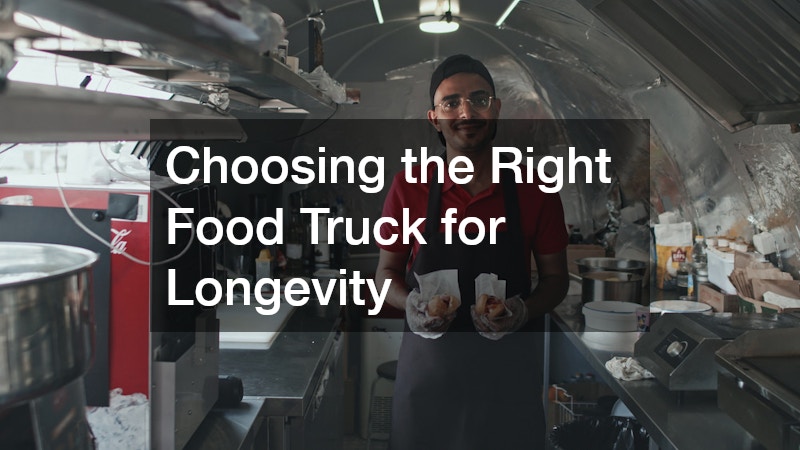
A food truck is the foundation of a successful mobile food business. The ideal vehicle is one that balances durability, size, and functionality to meet the demands of your menu and daily operations. Different trucks are built for different purposes, with some offering better storage, easier access for cooking equipment, or stronger chassis designed to withstand constant travel. Choosing a vehicle that aligns with your long-term goals reduces the likelihood of mechanical issues and expensive repairs, ensuring your investment lasts. When evaluating specific food trucks, it is important to consider factors such as engine type, fuel efficiency, interior layout, and prior maintenance history. A well-maintained used food truck can offer cost savings, but it is crucial to inspect it carefully for signs of wear, rust, or hidden mechanical problems. Pay attention to the truck’s cooling system, electrical wiring, and structural integrity, as these components often impact both safety and operational efficiency. Making an informed choice at this stage lays the groundwork for smoother maintenance and less disruption as your business grows.
Inspecting and Maintaining the Engine Regularly
A reliable engine is the heart of any food truck, and regular inspection and maintenance are critical to prevent breakdowns and extend the vehicle’s life. Engine issues can arise from a variety of causes, including wear and tear, poor-quality fuel, or neglected oil changes. By establishing a routine maintenance schedule, food truck operators can catch minor problems early, ensuring consistent performance on the road. Routine inspections also improve fuel efficiency and reduce the risk of unexpected mechanical failures that could interrupt operations. Beyond general upkeep, some repairs may require replacement with a used auto part to maintain cost efficiency without compromising quality. Many components, such as alternators, starter motors, or brake parts, can be purchased pre-owned from reputable sources, providing a balance between affordability and reliability. When installing these parts, it is important to confirm compatibility with your truck’s make and model and to ensure professional installation if needed. Incorporating these practices into your engine maintenance routine will help your food truck operate smoothly, reduce downtime, and protect your investment over the long term.
Scheduling Transmission Service for Optimal Performance
The transmission is one of the most critical systems in a food truck, responsible for transferring power from the engine to the wheels efficiently. Without proper care, transmission issues can quickly escalate, resulting in costly repairs and potentially leaving the truck inoperable during busy service days. Scheduling regular transmission service is essential for maintaining smooth gear shifts, improving fuel efficiency, and preventing long-term damage to other components of the drivetrain. Preventative maintenance ensures that your vehicle continues to operate reliably, reducing the risk of unexpected breakdowns that could impact business operations. In practice, a comprehensive transmission service involves checking fluid levels, replacing worn parts, and inspecting the transmission system for leaks or unusual noises. Owners should work with a qualified mechanic who understands the unique demands of mobile food vehicles, as a well-maintained transmission not only prolongs the truck’s life but also ensures consistent performance during long hours of operation. Regular servicing also helps prevent minor problems from escalating into major repairs, saving both time and money in the long run.
Checking and Replacing Air Conditioning Components
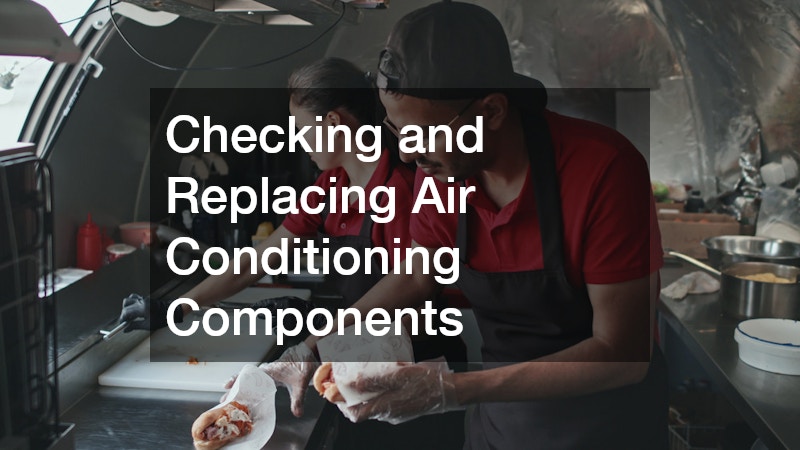
Maintaining proper air conditioning in a food truck is vital for both staff comfort and the safety of perishable food items. Operating in hot or humid conditions without a functioning cooling system can lead to reduced employee efficiency and compromise food quality, potentially resulting in spoilage or health violations. Regularly checking the air conditioning system ensures that the truck’s interior remains at a safe and comfortable temperature, which is especially important during peak service periods or summer months. A well-maintained system also improves energy efficiency and reduces strain on the vehicle’s engine. Inspecting the air conditioning system involves examining refrigerant levels, checking for leaks, cleaning filters, and testing the compressor and condenser for proper operation. Any worn or damaged components should be repaired or replaced promptly to prevent system failure during operation. For food trucks with extensive daily use, professional servicing at least once a year is recommended, while minor checks can be done more frequently by the owner.
Ensuring Proper Tire Alignment and Safety
Tire alignment is an often-overlooked aspect of food truck maintenance, yet it plays a critical role in safety, fuel efficiency, and the longevity of tires. Misaligned tires can cause uneven wear, increase the risk of blowouts, and make steering more difficult, all of which pose significant hazards for a vehicle frequently navigating urban streets or tight parking areas. Regularly checking and correcting tire alignment is an essential step in preventing costly repairs and ensuring smooth handling while driving the truck between locations. Proper alignment involves adjusting the angles of the wheels to manufacturer specifications, including camber, caster, and toe settings. Food truck owners should also inspect tires for uneven wear patterns, low tread depth, or damage that could indicate alignment issues. Performing alignment checks at least twice a year, or whenever new tires are installed, ensures optimal traction and handling. Additionally, maintaining alignment can improve fuel efficiency, as properly aligned tires reduce rolling resistance and minimize unnecessary strain on the engine and suspension system.
Understanding Collision Repairs
Collision repair is an essential aspect of maintaining the safety and appearance of a food truck. Even minor accidents can compromise the structural integrity of the vehicle, damage critical components, or create unsightly dents and scratches that may affect customer perception. Regularly addressing collision damage helps maintain the truck’s reliability on the road and ensures compliance with safety regulations. Preventative care, including careful driving practices and timely repairs, reduces the likelihood of larger issues developing over time. Specifically, a thorough collision repair process often involves assessing the damage, replacing or repairing affected parts, and restoring the vehicle’s structural and cosmetic integrity. In some cases, damaged metal components may be recycled, and working with reputable scrap metal recycling companies ensures that materials are disposed of responsibly while potentially offsetting some repair costs. Properly completed collision repairs not only restore the truck’s appearance but also protect its mechanical systems, contributing to overall longevity and consistent operation.
Installing and Maintaining Vehicle Wraps

Vehicle wraps are more than just a marketing tool for a food truck; they also serve as a protective layer for the truck’s exterior. A professionally installed wrap can shield the paint from minor scratches, UV rays, and everyday wear, helping to preserve the vehicle’s finish and resale value. Regular maintenance of the wrap ensures that it continues to look appealing, avoids peeling or bubbling, and maintains the professional appearance that attracts customers. Vehicle wraps should be cleaned with appropriate, non-abrasive products and inspected regularly for damage. Any areas showing signs of lifting or fading should be addressed promptly, either through repair or replacement, to prevent further deterioration. Food truck owners should also avoid parking under harsh sunlight for prolonged periods and protect the wrap during washing. Maintaining the wrap not only keeps the truck visually attractive but also reinforces the brand image, which can be a key factor in attracting and retaining customers.
Preparing for Seasonal Food Truck Operations
Operating a food truck across different seasons presents unique challenges, including changes in temperature, weather conditions, and customer traffic patterns. Seasonal preparation ensures that the vehicle is equipped to handle these variations without compromising performance or safety. By planning, food truck owners can optimize their operations, reduce downtime, and provide a consistent customer experience year-round. Seasonal adjustments also allow for preventive maintenance to avoid issues that are more likely to occur during extreme weather conditions. From a practical standpoint, seasonal preparation may include inspecting heating and cooling systems, checking insulation, and verifying that all equipment is functioning properly. For food trucks that supplement their business with travel or extended events, coordinating logistics with an RV rental for storage or transportation of additional equipment can be a valuable strategy. Seasonal planning also includes ensuring proper parking locations, monitoring local regulations, and preparing for high-demand periods. These steps not only protect the truck but also enhance operational efficiency, allowing owners to serve customers safely and effectively throughout the year.
Coordinating Moving and Parking Logistics Efficiently
Efficiently managing moving and parking logistics is critical for a food truck’s daily operation and overall success. A poorly planned route or inadequate parking arrangements can lead to lost sales, delayed service, and frustration for both staff and customers. Understanding local traffic patterns, parking regulations, and optimal locations for serving customers helps ensure smooth operations. Efficient logistics also reduce wear and tear on the vehicle, as frequent stops and difficult maneuvers can strain the engine, tires, and suspension over time. Partnering with professional movers or logistics services can streamline transportation for food trucks, particularly when relocating for events or storing equipment off-site. These services can assist with safely transporting heavy or fragile equipment, ensuring the truck and supplies arrive on time and without damage. Additionally, having a clear plan for parking, setup, and service flow can save time, improve safety, and enhance customer experience. Prioritizing logistics in this way reduces stress for the operator and supports consistent, efficient business operations.
Implementing Routine Safety and Sanitation Checks
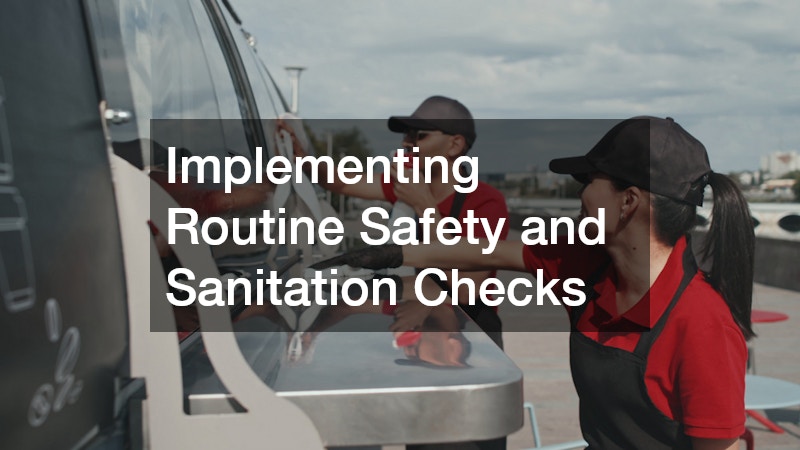
Safety and sanitation are fundamental to running a successful food truck and maintaining compliance with local health regulations. Regular checks help prevent accidents, food contamination, and potential health code violations, all of which could disrupt operations or damage your reputation. Routine inspections should cover equipment, storage areas, cooking surfaces, and waste disposal practices. A proactive approach to safety and sanitation fosters a healthier working environment and reassures customers that they are receiving quality food in a safe setting. Specifically, implementing routine checks might include verifying that fire extinguishers and first aid kits are accessible, inspecting gas lines and electrical connections for hazards, and monitoring refrigeration temperatures to ensure food safety. Sanitation practices should also include thorough cleaning schedules, proper waste management, and the use of approved cleaning agents for food contact surfaces. Documenting these checks and maintaining a checklist ensures nothing is overlooked and allows operators to identify recurring issues. By making safety and sanitation a consistent priority, food truck owners protect both their staff and customers while promoting the longevity and reliability of their business.
Maintaining a food truck requires a combination of strategic planning, mechanical upkeep, and attention to operational details. From choosing the right vehicle to monitoring engine performance, scheduling transmission service, maintaining air conditioning, and ensuring proper alignment, every aspect contributes to the overall efficiency and reliability of the truck. Additional factors, including collision repairs, vehicle wraps, seasonal preparation, logistics, and safety, are equally important for creating a professional and trustworthy operation. By addressing each of these areas, food truck owners can prevent costly downtime, extend the life of their investment, and deliver a consistently positive experience for their customers. Taking a proactive and comprehensive approach to maintenance not only protects the truck’s mechanical systems but also enhances the brand image and operational efficiency. Regular inspections, scheduled servicing, and careful planning for both daily operations and seasonal changes ensure that the truck remains road-ready and compliant with health and safety standards. Success in the food truck business depends on balancing the creative and culinary aspects with disciplined, attentive maintenance. Following the practices outlined in this guide will help owners achieve long-term reliability, safety, and profitability in a competitive mobile food market.