Owning a vehicle comes with more responsibility than simply filling the tank and driving. Regular upkeep, timely repairs, and smart upgrades all play a role in keeping your car safe, efficient, and reliable for years to come. Many drivers delay service until something breaks, but proactive maintenance reduces long-term costs, improves performance, and helps prevent stressful breakdowns.
This guide breaks down the essential maintenance, repair, and garage-related services every driver should understand. Instead of focusing on technical jargon, each section offers practical advice you can use to make better decisions, ask the right questions, and protect your investment, whether you’re commuting daily or maintaining a secondary vehicle.
Recognize Early Signs of Transmission Trouble Before Damage Spreads
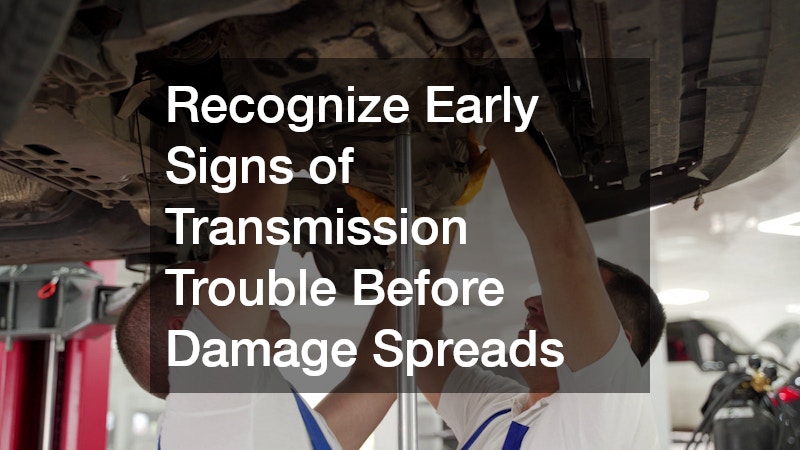
The transmission is one of the most complex and expensive systems in your vehicle, which makes early attention critical. Scheduling routine auto transmission service helps detect wear long before it becomes a full failure. Warning signs often include delayed shifting, slipping gears, burning smells, or unexplained fluid leaks under the vehicle.
Preventive transmission care typically involves checking fluid condition, replacing filters, and updating software in newer vehicles. Dark or gritty transmission fluid is a red flag that internal components may be wearing prematurely. Ignoring these signs can lead to overheating and internal damage that quickly escalates repair costs.
Drivers should follow manufacturer-recommended service intervals but also adapt based on driving habits. Stop-and-go traffic, towing loads, and extreme temperatures all increase transmission stress. If you notice changes in how your vehicle shifts or accelerates, schedule an inspection immediately. Acting early can extend the life of your transmission by tens of thousands of miles and help avoid sudden breakdowns on the road.
Maintain Stopping Power With Consistent Brake System Inspections
Your braking system is your vehicle’s primary safety feature, and even minor issues deserve immediate attention. Routine brake repair ensures reliable stopping power and protects related components like rotors, calipers, and brake lines. Common warning signs include squealing noises, vibration when braking, or a soft brake pedal.
Brake pads naturally wear down over time, but uneven wear may indicate alignment issues or seized calipers. Replacing pads before they wear completely prevents rotor damage, which is far more expensive to fix. Brake fluid should also be inspected regularly, as moisture contamination can reduce braking efficiency and cause internal corrosion.
Seasonal inspections are especially important if you drive in hilly areas or experience frequent traffic. Addressing brake concerns early improves response time and gives you confidence in emergencies. When it comes to brakes, proactive service isn’t just about saving money; it’s about protecting lives.
Choose a Reliable Facility for Routine and Complex Vehicle Work
Finding a trustworthy auto repair shop is one of the most valuable steps a driver can take. A reputable shop provides transparent estimates, explains repairs clearly, and prioritizes preventative care instead of unnecessary upselling. Establishing a long-term relationship also allows technicians to understand your vehicle’s history.
Look for facilities with certified technicians, strong reviews, and modern diagnostic equipment. A quality repair shop will document service recommendations and explain why certain repairs are urgent while others can wait. This clarity helps drivers budget effectively and avoid surprise expenses.
Routine maintenance like oil changes, inspections, and fluid checks should be performed consistently at the same location whenever possible. Over time, this continuity improves diagnostic accuracy and ensures nothing is overlooked. A dependable repair facility becomes a long-term partner in your vehicle’s reliability and resale value.

Address Exhaust Issues to Improve Efficiency and Cabin Comfort
Your exhaust system plays a major role in engine performance, fuel efficiency, and emissions control. Delaying exhaust repair can lead to reduced power, poor fuel economy, and even health risks if fumes enter the cabin. Rattling noises, decreased acceleration, or strong odors are all signs of potential exhaust problems.
Leaks often occur around joints, mufflers, or catalytic converters due to corrosion or road debris. Even small cracks can disrupt airflow and affect engine sensors. Prompt repairs help restore optimal performance while ensuring compliance with emissions regulations.
Regular inspections are especially important for older vehicles or those driven in regions with heavy road salt use. Keeping the exhaust system intact not only improves engine efficiency but also reduces noise and vibration, making your driving experience smoother and safer.
Improve Driving Comfort and Protect Interiors With Window Treatments
Quality window enhancements offer more than aesthetic benefits. A professional auto window tinting service helps regulate interior temperatures, reduce glare, and protect upholstery from UV damage. This is particularly valuable in hot climates or for drivers who spend extended time on the road.
Modern tinting options range in shade and heat rejection levels, allowing drivers to choose solutions that meet both comfort needs and local regulations. High-quality films reduce strain on air conditioning systems, which can slightly improve fuel efficiency over time.
Proper installation is essential. Poorly applied tint can bubble, discolor, or interfere with visibility. Investing in professional service ensures a clean application and long-term durability. Over time, window tinting enhances comfort, preserves interior materials, and adds subtle value to your vehicle.
Refresh Vehicle Appearance With Durable Paint Protection Options
Beyond traditional paint jobs, electrostatic painting services offer a precise and efficient way to refinish metal vehicle components. This method applies paint evenly using an electrical charge, resulting in strong adhesion and minimal waste. It’s commonly used for wheels, frames, and specialized parts.
Electrostatic painting provides superior coverage, especially on complex surfaces, and creates a durable finish resistant to chipping and corrosion. Drivers restoring older vehicles or maintaining commercial fleets often benefit from this cost-effective alternative to full repainting.
Choosing this service helps extend the life of exposed metal components while enhancing appearance. When combined with routine washing and protective coatings, electrostatic painting can keep your vehicle looking newer for longer without the expense of a complete exterior overhaul.
Dispose of Vehicle Materials Responsibly During Repairs or Upgrades
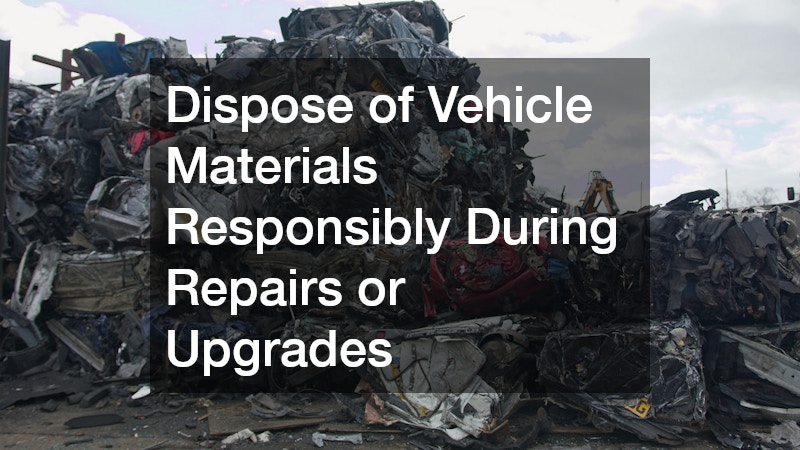
Sustainable vehicle ownership includes proper disposal of old parts and materials, especially during repairs or upgrades that generate waste. Metal recycling plays a critical role when replacing components like exhaust systems, wheels, brake parts, or structural panels. Recycling these materials reduces landfill waste and limits the need for raw material extraction, which helps conserve energy and natural resources used in manufacturing new automotive components.
Many repair facilities partner with recycling programs to ensure discarded metal, fluids, and components are processed responsibly. Drivers performing DIY repairs can also seek out local recycling centers or scrap yards, many of which accept automotive metals and may even offer compensation based on weight and material type. Aluminum, steel, and copper components all hold recyclable value, making proper disposal both environmentally and economically beneficial.
By recycling worn or damaged parts, drivers actively support environmental conservation while often lowering disposal costs. Responsible material management also keeps hazardous substances out of landfills and waterways. Though often overlooked, recycling automotive materials is a meaningful part of vehicle maintenance that benefits not only the owner but also the broader community and environment.
Upgrade Functionality and Safety With Practical Add-Ons
Strategic upgrades using quality auto accessories can significantly enhance your driving experience by improving comfort, organization, and overall safety. Practical additions such as all-weather floor mats protect carpeting from moisture and debris, while cargo organizers prevent items from shifting during transit. Dash cameras add an extra layer of security by documenting incidents, and upgraded lighting improves visibility during nighttime or adverse weather driving conditions.
When selecting accessories, focus on compatibility and build quality rather than novelty. Poorly fitted or low-quality accessories can interfere with vehicle controls, block airbags, or place unnecessary strain on electrical systems. It’s important to choose accessories designed specifically for your vehicle’s make and model. Reputable installers ensure additions are mounted correctly, wired safely, and integrated without voiding manufacturer warranties or affecting onboard diagnostics.
Thoughtful upgrades can also help preserve resale value by protecting original components from wear and damage. Seat covers, protective liners, and sunshades reduce long-term interior deterioration, making the vehicle more appealing to future buyers. Safety-focused accessories such as blind-spot mirrors or emergency kits further enhance preparedness. Whether improving comfort for daily commutes, organization for family travel, or safety for long-distance driving, well-chosen accessories allow drivers to customize their vehicles to meet changing needs while maintaining performance, reliability, and peace of mind.
Prepare for Breakdowns With Reliable Emergency Assistance
Even well-maintained vehicles can experience unexpected issues, from dead batteries to sudden mechanical failures. Having access to dependable towing services provides peace of mind when breakdowns, flat tires, or accidents occur, especially in unfamiliar areas or during poor weather conditions. Prompt towing prevents further vehicle damage, such as overheating or drivetrain strain, and helps keep you safe by moving your vehicle away from busy roadways as quickly as possible.
Drivers should research local providers before emergencies arise, paying attention to response times, service areas, and availability after hours. Not all towing companies handle every situation, so it’s helpful to confirm whether they can accommodate specialty vehicles, all-wheel drive systems, or low-clearance cars. Many towing services also offer roadside assistance options such as jump-starts, fuel delivery, tire changes, or lockout help, which can resolve minor issues on the spot without requiring a tow.
Keeping emergency contact information readily available, saved in your phone, written in your glove compartment, or included in a roadside assistance app, saves valuable time during stressful situations. Knowing who to call reduces panic and speeds up response. Preparedness ensures that when problems occur, help is only a phone call away, minimizing inconvenience, reducing repair costs, and helping you get back on the road safely and efficiently.
Keep Home Access Secure With Regular Garage System Maintenance
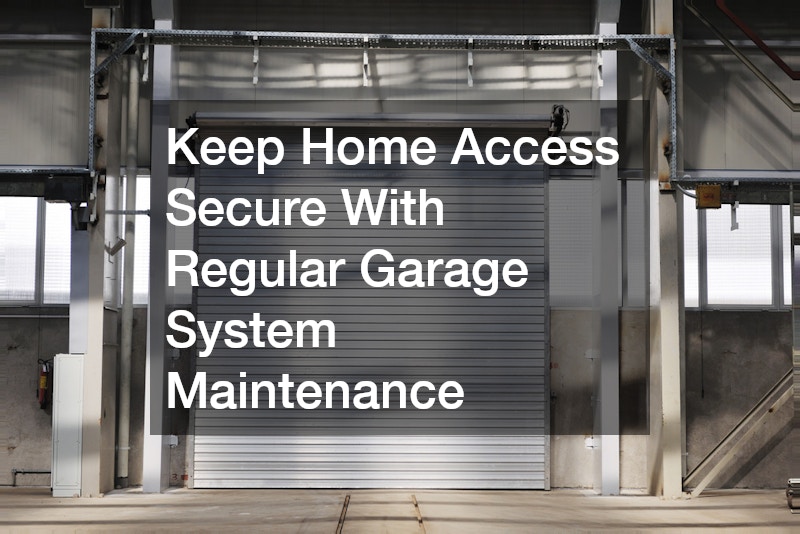
Your garage is often the primary entry point to your home, making its mechanical systems critical to both convenience and security. Scheduling routine garage door repair service helps maintain safe operation and prevents sudden failures that could trap vehicles inside, leave your home exposed, or create safety hazards for family members. Because garage doors are heavy and operate under significant tension, even small mechanical issues can escalate quickly if left unaddressed.
Common warning signs include slow movement, loud grinding or squealing noises, uneven opening, or doors that reverse unexpectedly. These problems often stem from worn springs, frayed cables, misaligned tracks, or failing openers struggling to lift the door’s weight. Sensors that stop working correctly can also pose risks by failing to detect obstacles. Addressing these issues early prevents larger mechanical failures, reduces the likelihood of emergency repairs, and extends the lifespan of your entire system.
Regular inspections and lubrication play a major role in maintaining reliability. Hinges, rollers, and tracks should be cleaned and lubricated to reduce friction and strain on the opener motor. Tightening hardware and testing safety features ensures smooth operation year-round. Consistent maintenance not only protects your vehicle from accidental damage but also reinforces home security. A properly functioning garage system provides peace of mind, dependable access, and long-term protection for both your property and the people who use it every day.
Maintaining a vehicle goes far beyond occasional oil changes. Thoughtful care, timely repairs, and strategic upgrades all work together to improve safety, performance, and long-term value. Every system in your vehicle is interconnected, meaning neglect in one area can quickly create problems in another. Routine inspections, fluid checks, and component replacements help identify wear early, when solutions are simpler and more affordable. By staying proactive and informed, drivers can avoid costly surprises, reduce the risk of breakdowns, and enjoy a smoother, more predictable ownership experience.
Equally important is understanding how your driving habits and environment affect your vehicle over time. Frequent short trips, heavy traffic, extreme weather, and hauling loads all increase wear on critical systems. Adjusting maintenance schedules to reflect real-world usage, not just manufacturer minimums, can significantly extend the life of your vehicle. Keeping service records also helps technicians diagnose issues faster and protects resale value if you decide to sell or trade in.
Whether you’re addressing mechanical systems, enhancing comfort, or maintaining related home infrastructure, consistent attention makes a measurable difference. Small investments in upkeep often prevent major repairs down the road. More importantly, they contribute to safer driving conditions for you and others on the road. Investing in proper care today ensures confidence, reliability, and peace of mind every time you get behind the wheel, turning vehicle ownership from a source of stress into a dependable part of daily life.